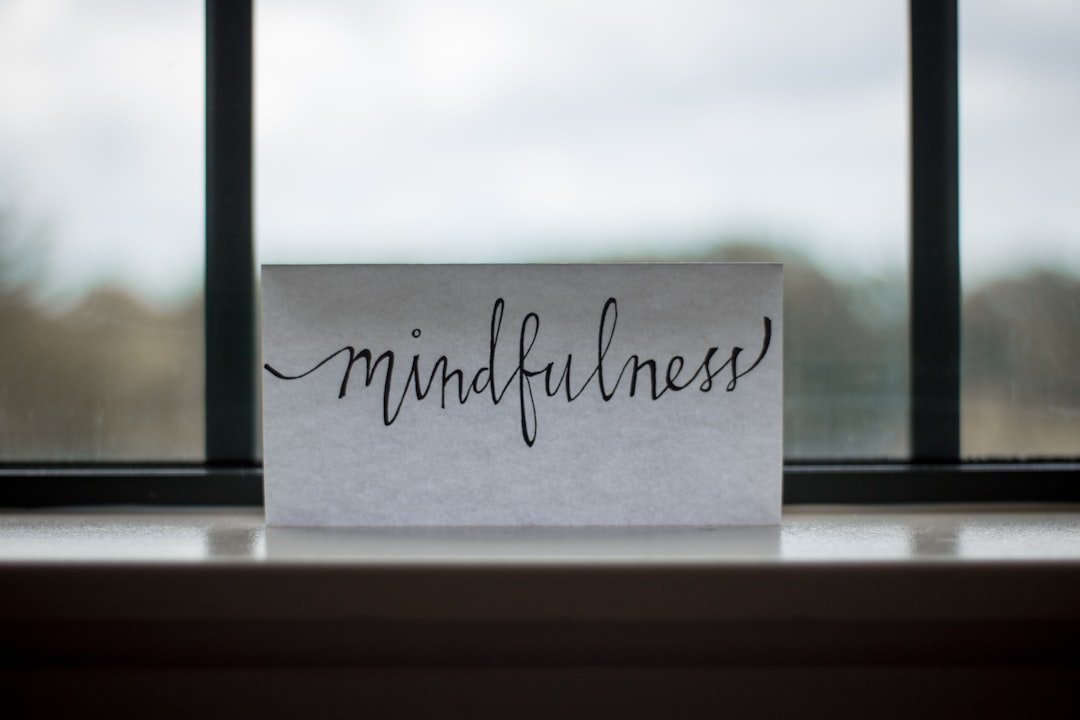
Six Mindfulness Techniques for Your Daily Routine That Actually Reduce Stress
Seven in ten adults report feeling overwhelmed by stress on a daily basis, according to the American Psychological Association. Most of them already know they should "slow down." What they're missing is a practical system.
These techniques aren't complicated. You don't need a retreat, a therapist, or an hour of free time. You need a few targeted habits dropped into the right moments of your day.
---
Start Your Day with Five Minutes of Focused Breathing
Before you check your phone, sit up and breathe deliberately for five minutes. Inhale for four counts, hold for four, exhale for six. That extended exhale activates your parasympathetic nervous system — the brake pedal on your stress response.
The Mayo Clinic identifies controlled breathing as one of the fastest ways to lower cortisol. And that's not soft advice. Cortisol is measurable, and it responds to breath within minutes.
How to set it up
- Sit upright on the edge of your bed or a chair.
- Set a five-minute timer on your phone, then put the phone face-down.
- Choose one clear intention for the day, stated internally in a single sentence.
You don't need an app. You need a timer and a willingness to sit still before the noise begins. Do this for two weeks. The shift is noticeable.
---
Mindful Eating: Stop Eating on Autopilot
Here's the thing. You eat lunch at your desk, half-watching a video, and forty minutes later you can't remember what the food tasted like. Still vaguely hungry, too. That's not a willpower problem — that's distracted eating.
Mindful eating means no screens during meals. Chew slowly, notice texture, pause between bites to check whether you're actually still hungry. Research published through the National Institutes of Health links mindful eating to reduced binge eating, better digestion, and improved satiety signaling.
Start with one meal per day. Lunch is easiest for most people. Phone in a drawer, natural light if you can get it, and give the food your actual attention. This is one of the more underrated stress relief techniques because it also punches a hole in the relentless pace of the workday.
---
Midday Mindfulness Breaks: Three Minutes to Reset
Your brain isn't designed to focus for eight straight hours. Cognitive performance degrades after roughly 90 minutes of continuous work, which is why grinding through the afternoon slump rarely works.
Build two or three short breaks into your day. Set a phone reminder at 11:30 a.m. and again at 3:00 p.m. When it goes off, pick one:
- Stand up and do a slow 60-second body scan from your feet to your shoulders, releasing tension wherever you find it.
- Walk outside for three minutes without earbuds.
- Do five slow neck rolls and three full breath cycles.
That's it. You're not meditating for an hour. You're cutting off the cortisol buildup before it compounds. The whole thing costs less than ten minutes across a full workday.
---
Evening Reflection: Wind Down with Specificity
Gratitude journaling has a reputation for being soft. The data behind it isn't. The NIH has published multiple studies showing that regular gratitude practice lowers perceived stress and improves sleep quality, particularly when done within an hour of bedtime.
But here's where it gets weird — specificity is what actually makes it work. Don't write "I'm grateful for my family." Write "I'm grateful that my sister called me during her lunch break." Specific entries engage memory and emotion far more effectively than generic ones.
Four minutes before bed. Three specific things from the day. If journaling feels like a chore, use your phone's notes app. The format matters less than the consistency.
---
Frequently Asked Questions
What are easy mindfulness exercises for beginners? Start with the five-minute breathing exercise and one phone-free meal per day. Those two habits alone produce measurable change.
Can mindfulness actually reduce stress? Yes. The American Psychological Association and the Mayo Clinic both recognize mindfulness-based stress reduction (MBSR) as clinically effective. Cortisol levels drop. Sleep improves. Anxiety decreases with consistent practice.
How long do I need to practice each day? Ten minutes total, split across morning breathing and an evening reflection, is enough to start. You can build from there.
Are mindfulness apps worth using? Apps like Headspace and Calm offer structured guided sessions, which help if self-directed practice feels vague. Think of them as training wheels, not the destination.
---
Truth is — these techniques work because they fit inside moments you already have: morning, meals, midday, bedtime. No new time block required.
Pick one technique from this list. Run it for seven days before adding another. One habit, seven days, then decide what comes next.