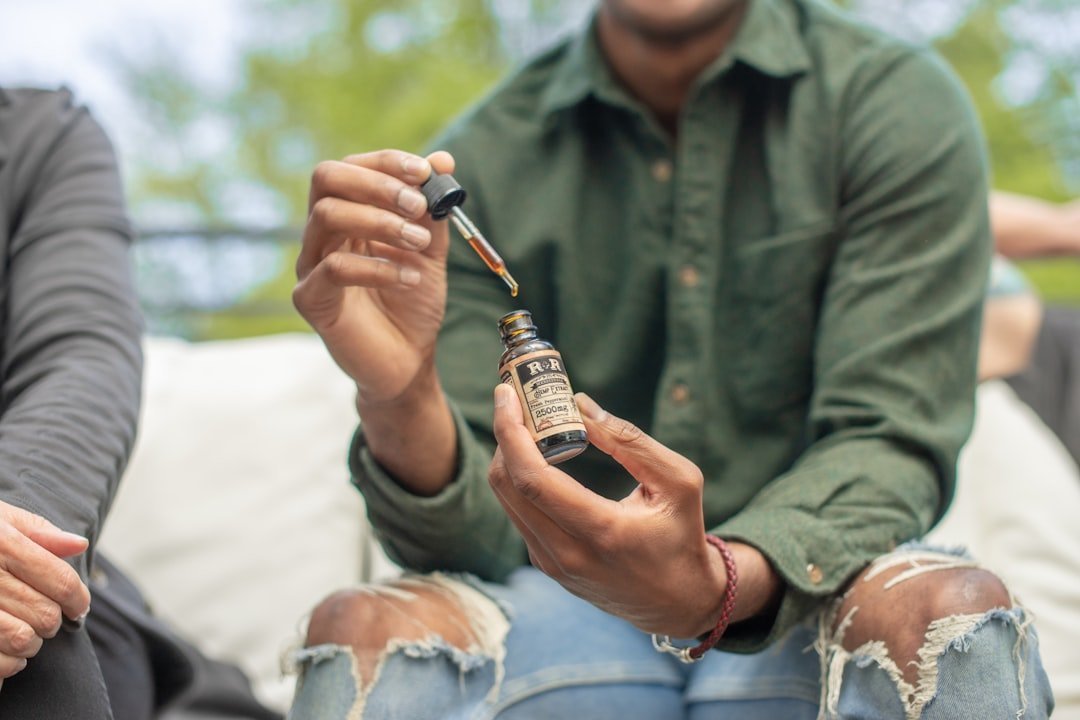
The Best Herbs for Anxiety Relief That Science Actually Backs
Over 40 million adults in the United States live with anxiety disorders. That is not a small number. And yet, many people still reach only for the prescription pad — unaware that some of the most studied herbs for anxiety relief have been sitting in their kitchen or local Ayurvedic shop for centuries.
This is not about replacing your psychiatrist. It is about understanding what the research actually says, so you can make smarter choices alongside your existing care.
The Science Behind Herbal Remedies for Anxiety
Your brain's anxiety response is largely governed by the HPA axis, cortisol levels, and GABA receptors. Several plants interact directly with these pathways. That is not folklore. That is biochemistry.
ashwagandha (Withania somnifera) — which most Indian households know as a churna mixed into warm milk — was shown in a 2019 study published in Medicine to reduce cortisol levels by up to 27.9% in adults with chronic stress. Chamomile contains apigenin, a flavonoid that binds to benzodiazepine receptors in the brain, producing a mild calming effect. The NIH's National Center for Complementary and Integrative Health has reviewed both herbs and acknowledges their potential, while calling for larger trials.
Harvard Health has also highlighted that lavender oil shows measurable effects on the autonomic nervous system — slowing heart rate and reducing self-reported anxiety in clinical settings.
Top Herbs Worth Considering: Evidence-Based Options
Here are the three most researched herbs for anxiety relief, alongside what the evidence actually supports:
| Herb | Key Compound | Evidence Level | Common Form |
|---|---|---|---|
| ashwagandha | Withanolides | Strong (multiple RCTs) | Capsule, churna |
| Chamomile | Apigenin | Moderate (GAD trials) | Tea, extract |
| Lavender | Linalool | Moderate (aromatherapy studies) | Oil, capsule (Silexan) |
ashwagandha is arguably the star. It is an adaptogen — it helps your body regulate stress hormones rather than just masking symptoms. Himalaya and Dabur both sell standardized extracts in India. Look for products standardized to at least 5% withanolides.
Chamomile has been tested specifically on Generalized Anxiety Disorder. A systematic review in Phytomedicine found it significantly reduced anxiety scores over eight weeks. A cup of chamomile tea — ideally Organic India's whole-flower variety, 30 minutes before bed — is a simple, low-risk starting point.
Lavender in capsule form (sold as Silexan, 80 mg daily) has shown results comparable to low-dose lorazepam in some European trials, according to Cleveland Clinic summaries. As an essential oil, it works faster but for shorter duration.
How to Add These Herbs to Your Routine Safely
Start slow. Always.
Introduce one herb at a time so you can actually track what is working — and what is not. ashwagandha is best taken with food, typically 300 to 600 mg of a standardized extract daily. Chamomile tea is gentle enough for nightly use. Lavender oil can be diffused for 20 minutes before sleep, or applied diluted (2–3 drops in a carrier oil like coconut) to pulse points.
Here's the thing, though — tell your doctor before you start. If you are on SSRIs, blood thinners, or thyroid medication, some herbs can interact in ways that matter. Mayo Clinic specifically flags that valerian root can amplify sedatives. Ashwagandha can affect thyroid hormone levels, which is a real concern if you have hypothyroidism and are already on levothyroxine.
AIIMS researchers studying integrative medicine protocols recommend treating herbs as you would any supplement: with a defined dose, a clear purpose, and a review date.
Frequently Asked Questions
Which herbs are most effective for anxiety? Ashwagandha, chamomile, and lavender have the strongest evidence base currently. All three have been reviewed by the NIH and appear in Cleveland Clinic's integrative health resources.
Are herbal remedies safe alongside prescription medications? Not always. Interactions are real. St. John's Wort, for instance, reduces the effectiveness of several medications including birth control pills. Always consult your doctor or a qualified Ayurvedic practitioner before combining.
How long before you notice a difference? Most clinical trials show meaningful results between four and eight weeks of consistent use. Truth is — do not expect overnight relief. Ashwagandha in particular tends to show gradual improvement in sleep quality and stress resilience over weeks, not days.
Can you combine multiple herbs at once? You can, but it is better to introduce one at a time and then layer. An integrative physician or AYUSH-certified practitioner can help you build a combination protocol that is safe and personalised.
Start Small, Stay Consistent
Pick one herb, one format, and give it six weeks. Keep a simple daily note on your sleep, mood, and stress levels — real data, not just impressions.
But here's where it gets practical: these are tools, not cures. Use them alongside adequate sleep, movement, and if needed, professional therapy. The best outcome usually comes from combining the old and the new, not choosing between them.
Your specific call to action: this week, buy one chamomile tea or one standardized ashwagandha supplement, tell your doctor you are trying it, and track for 30 days.
That is where change actually begins.