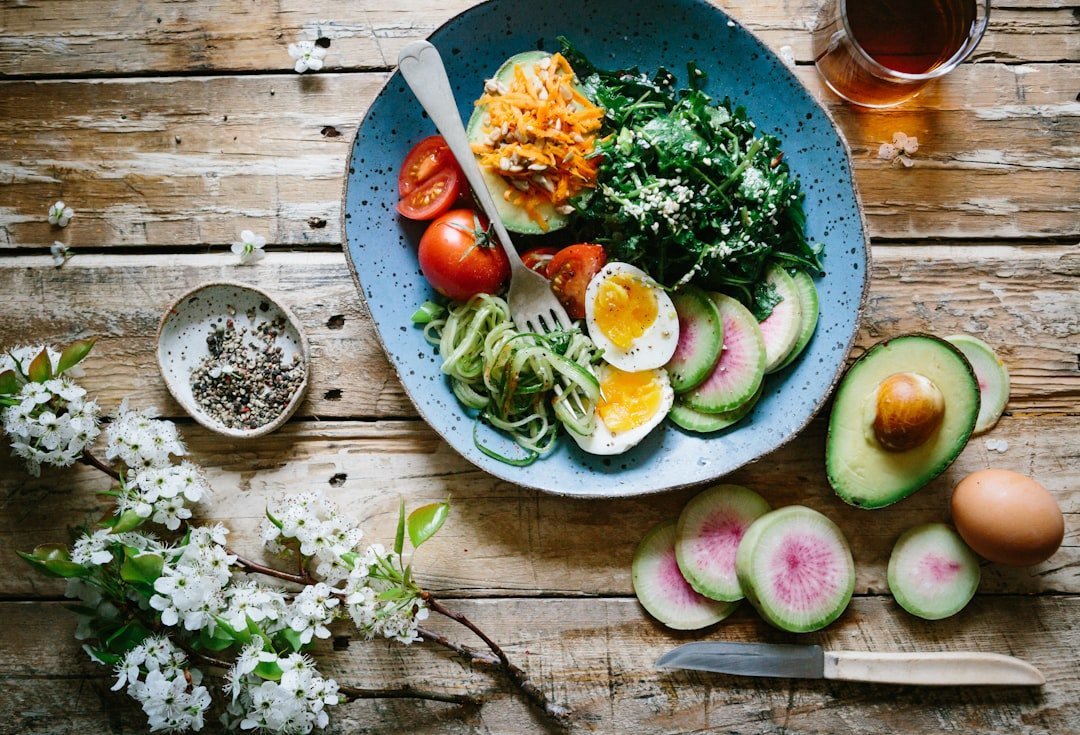
Plant-Based Diets vs. Traditional Diets: What the Research Actually Shows
Nearly 70% of Americans are considering a plant-based diet, yet most are working from outdated assumptions and outright myths. Here's what the latest research actually says.
---
Understanding the Health Benefits of Plant-Based Diets
The evidence is not subtle. A large NIH-funded study found that participants following a plant-based eating pattern had a 30% lower risk of developing heart disease compared to those on a standard omnivorous diet. The American Heart Association now acknowledges plant-forward eating as one of the most effective dietary strategies for reducing cardiovascular risk.
Beyond heart health, plant-based diets are consistently linked to lower LDL cholesterol, reduced blood pressure, and better blood sugar regulation. Harvard Health has published multiple reviews connecting whole-food plant-based eating to a meaningfully lower incidence of type 2 diabetes.
Weight management also tends to improve. People who shift to plant-based nutrition typically consume fewer calories without deliberate restriction — largely because fiber-rich foods like lentils, oats, and leafy greens are more satiating per calorie than most animal products.
The pattern holds across populations and study designs. These are not niche findings.
---
Plant-Based Diets vs. Traditional Diets: What the Data Shows
The gap between these two eating patterns comes down to food quality, not just food type.
| Factor | Plant-Based Diet | Typical Omnivorous Diet |
|---|---|---|
| Fiber intake | 30-40g/day (high) | 15g/day (low) |
| Saturated fat | Low | Moderate to high |
| Micronutrient density | High (folate, magnesium, potassium) | Variable |
| Processed food load | Low (if whole-food focused) | Often high |
| B12 availability | Requires supplementation | Adequate |
Traditional Western diets are built around processed foods, refined grains, and high saturated fat. Plant-based diets, done properly, prioritize whole foods: vegetables, legumes, whole grains, nuts, and seeds.
The Mayo Clinic notes that long-term adherence to plant-based eating is associated with better health outcomes than most conventional diet approaches — including lower all-cause mortality in observational studies spanning 20-plus years.
But here's where it gets important: a plant-based diet is not automatically healthy. Chips and soda are technically plant-based. The research advantages show up specifically with whole-food plant-based nutrition.
---
Three Myths About Plant-Based Diets, Corrected
Myth 1: You won't get enough protein
You will. A cup of cooked lentils delivers 18 grams of protein. Tofu, edamame, black beans, quinoa, and hemp seeds are all dense protein sources. The Academy of Nutrition and Dietetics states that a well-planned plant-based diet meets all protein needs, including for athletes.
Carl Lewis — one of the greatest track and field athletes in history — competed at elite levels on a vegan diet. Protein wasn't his problem.
Myth 2: Essential nutrients are out of reach
Most are covered. The one genuine gap is vitamin B12, which isn't reliably available from plant foods. If you go fully plant-based, supplement with at least 500 mcg of cyanocobalamin weekly. Iodine and omega-3s (algae-based DHA/EPA specifically — not just flaxseed) are also worth monitoring. This isn't a dealbreaker. It's a planning issue.
Myth 3: Plant-based eating is expensive
A diet built around dried beans, lentils, oats, frozen vegetables, and seasonal produce is cheaper than most meat-heavy diets. The cost perception comes from comparing beef to specialty vegan products. You don't need those products.
---
Frequently Asked Questions
Is a plant-based diet suitable for everyone? most people can do well on it. Pregnant women, older adults, and those with specific medical conditions should work with a registered dietitian to fill nutritional gaps. The structure is flexible enough to accommodate most needs.
What nutrients require the most attention? Vitamin B12, vitamin D, iodine, iron, calcium, and long-chain omega-3 fatty acids. NIH guidelines recommend supplementing B12 if you eliminate all animal products. Iron from plant sources is less bioavailable, so pair it with vitamin C-rich foods to boost absorption.
Can you build muscle on a plant-based diet? Yes. Research published in sports nutrition journals confirms that protein from mixed plant sources supports muscle protein synthesis comparably to animal protein when total intake is sufficient. Aim for 1.6 grams of protein per kilogram of body weight daily.
How do you start without overhauling everything? Swap one meal per day to plant-based for two weeks. A breakfast of oats with hemp seeds and berries, or a lunch of lentil soup, is a low-friction entry point. Add variety as it becomes habit.
---
Start With One Meal
Truth is — the research on plant-based diets is consistent: better cardiovascular outcomes, improved weight management, lower chronic disease risk. Not marginal effects. Real ones.
You don't need a complete dietary overhaul this week. Replace one meal today with whole-food plant-based options. Track how you feel after 30 days.
For personalized guidance, work with a registered dietitian who knows the current research and can tailor recommendations to your specific situation.