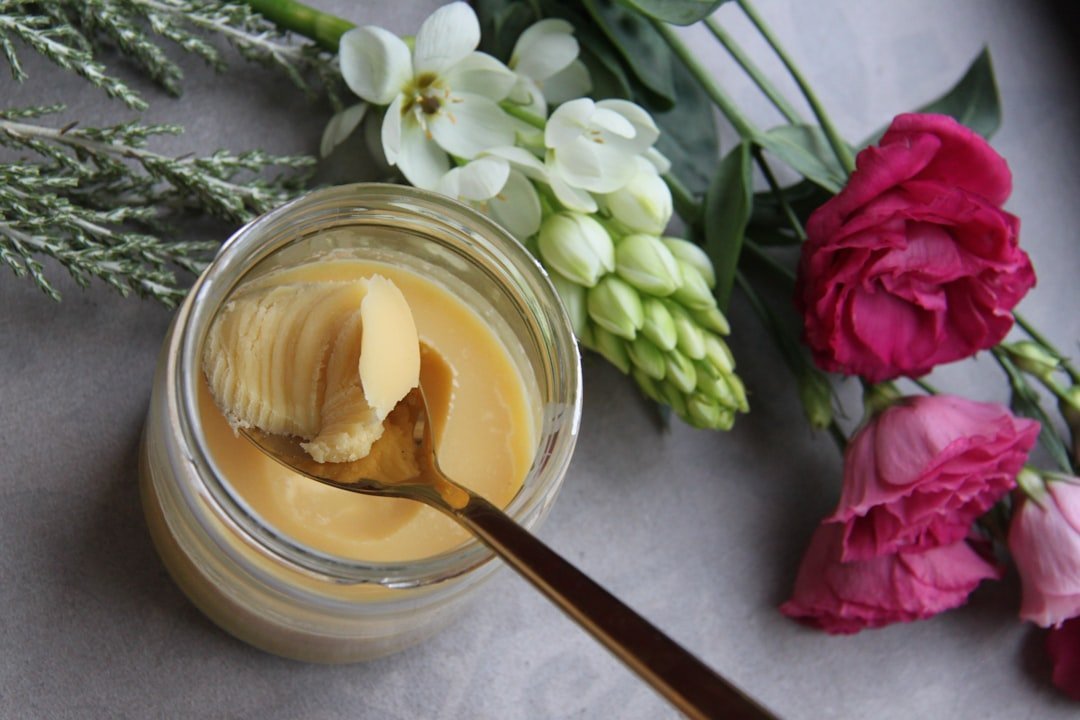
Ghee Isn't Just Fat: The Health Benefits Most People Miss
Your grandmother poured it over dal without a second thought. Modern nutritionists wrote it off for decades. Both can't be right — and the science is now settling the argument in grandma's favor.
Ghee has spent years caught between Ayurvedic praise and Western skepticism. The health benefits are real, measurable, and practical. Here's what you actually need to know.
---
What's Inside Ghee: The Nutritional Case
Ghee is clarified butter — simmered until the milk solids and water are removed, leaving pure butterfat. That process matters more than most people realize.
What you get in a single tablespoon (about 15g):
- Butyrate: A short-chain fatty acid that feeds colon cells and reduces gut inflammation
- Vitamins A, D, E, and K: Fat-soluble vitamins that support immune function, bone density, and vision
- Conjugated linoleic acid (CLA): Linked to reduced body fat in multiple studies
- Zero lactose: The clarification process removes it entirely
Harvard health notes that not all saturated fats behave identically in the body. Butyrate specifically has shown anti-inflammatory effects in research published through the NIH, particularly around gut lining integrity.
One tablespoon runs roughly 112 calories. Not nothing — but a dense, functional calorie source, not empty filler.
---
Ghee vs. Butter: The Actual Differences
This comparison gets muddled fast. Here's a clean breakdown.
| Feature | Ghee | Butter |
|---|---|---|
| Smoke point | ~485°F (252°C) | ~350°F (177°C) |
| Lactose | None | Present |
| Shelf life (unsealed) | Up to 12 months | 1-3 months |
| Vitamins A, D, E, K | Higher concentration | Lower concentration |
| Flavor | Nutty, rich | Mild, creamy |
The smoke point gap is the most practical difference. When butter burns at high heat, it oxidizes and produces harmful compounds. Ghee holds stable — making it the better fat for sautéing, roasting, or frying above 350°F.
If you're lactose intolerant, ghee is almost always well-tolerated. The Mayo Clinic confirms that the clarification process removes enough lactose to make ghee accessible to most people with dairy sensitivity.
Here's a simple swap worth making: use ghee the next time you sauté spinach or roast cauliflower. Better browning, no burning, and the fat-soluble vitamins from the vegetables actually absorb properly alongside it.
---
What the Research Actually Shows
Real data, not just tradition.
A study referenced in NIH databases found that moderate ghee consumption in indian adults was associated with lower serum triglyceride levels compared to those using refined vegetable oils. The operative word is moderate — typically 1 to 2 tablespoons per day.
Butyrate has been studied for its role in reducing markers of intestinal permeability, which is linked to conditions like IBS and Crohn's disease. This doesn't mean ghee cures gut disorders. It means its fatty acid profile actively supports gut health rather than taxing it.
CLA content in grass-fed ghee has been associated with modest improvements in body composition in studies lasting 12 weeks or longer. Brands like Organic Valley and Ancient Organics source from grass-fed cows, which increases CLA concentration significantly compared to grain-fed dairy.
---
Frequently Asked Questions
Is ghee healthier than butter?
For most people, yes. Ghee has a higher concentration of fat-soluble vitamins, no lactose, and a better smoke point for cooking. It's not a dramatic upgrade, but it's a consistent one.
Can ghee support weight management?
In controlled amounts, it can. CLA and butyrate both have modest metabolic benefits. Two tablespoons or fewer per day is a reasonable ceiling if weight is a concern.
Does ghee benefit skin?
The fatty acids in ghee — particularly vitamins A and E — support skin barrier function. Some people use it topically; others see benefits from dietary intake alone.
How should you store ghee?
Sealed, at room temperature, away from light. Properly made ghee lasts 12 months without refrigeration. Once opened, keep it dry — a wet spoon introduces bacteria. Truth is — storage is the one step most people get wrong.
---
Start With One Change
You don't need to overhaul anything. Swap your cooking oil for ghee in one meal today — roasted vegetables, scrambled eggs, a simple dal.
Buy grass-fed ghee (check the label) for better CLA content. Start with 1 tablespoon per day. Reassess after 30 days.
That's it.