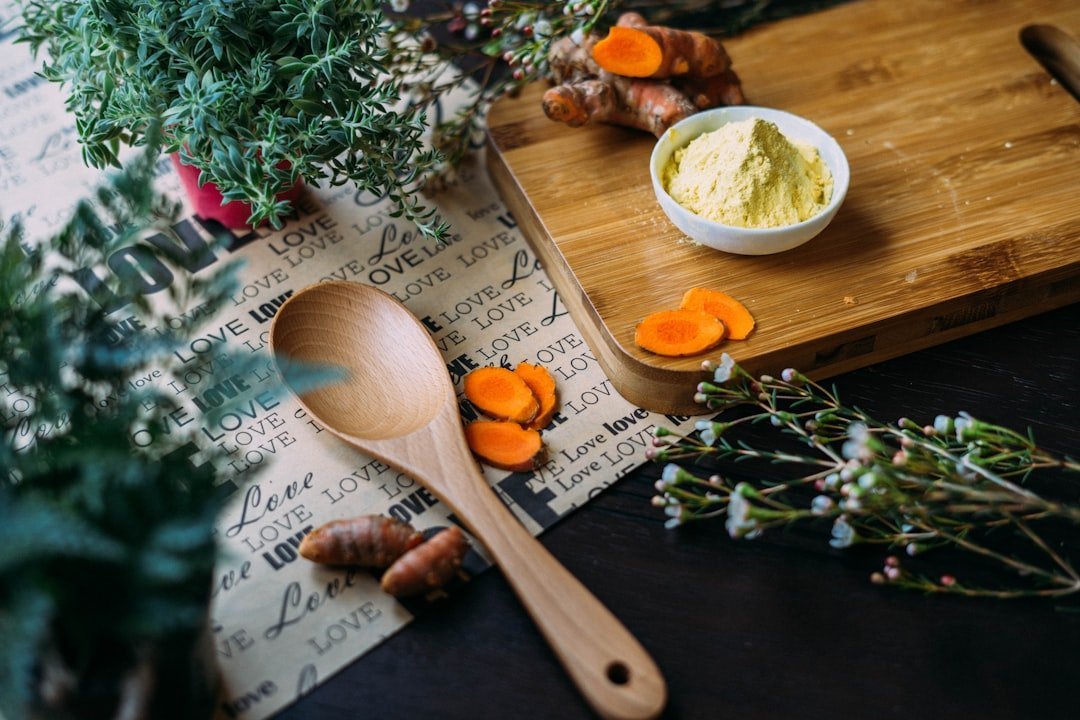
Turmeric's Real Health Benefits (And How to Actually Eat More of It)
Picture a 60-year-old woman with rheumatoid arthritis who adds half a teaspoon of turmeric to her morning eggs every day for three months. Her inflammation markers don't vanish, but her rheumatologist notices a measurable drop in her CRP levels at the next blood panel. that small, consistent habit is exactly what the science points toward.
Turmeric has been used medicinally for over 4,000 years in Ayurvedic practice. Western research is catching up. Adding turmeric to your diet isn't a wellness trend — it's one of the better-supported dietary changes you can make, and it's cheaper than most supplements.
---
Why Curcumin Is the Compound That Actually Matters
Turmeric's active compound, curcumin, drives most of its documented effects. It works primarily as an anti-inflammatory agent by blocking NF-kB, a molecule that switches on genes linked to chronic inflammation. The NIH has catalogued hundreds of studies on curcumin, and while results vary, the signal on inflammation reduction is consistent.
Harvard Health has highlighted curcumin's potential role in cognitive protection. Animal studies suggest it may help clear amyloid plaques associated with Alzheimer's, though human trials are still early. A 2018 UCLA study found that adults taking 90 mg of curcumin twice daily showed a 28% improvement in memory tests over 18 months.
Here's the honest caveat: raw turmeric powder has poor bioavailability. Your body absorbs very little curcumin on its own. Pairing it with black pepper — which contains piperine — increases absorption by up to 2,000%, according to research cited by the Cleveland Clinic.
---
Practical Ways to Start Incorporating Turmeric Into Your Diet
You don't need elaborate recipes. Here are the simplest entry points:
- Golden milk: Simmer 1 teaspoon turmeric, a pinch of black pepper, and half a teaspoon of cinnamon in 250 ml of oat or almond milk for 5 minutes. Sweeten with honey.
- Smoothies: Add half a teaspoon to a banana-ginger blend. The sweetness masks the earthiness.
- Scrambled eggs or tofu: Half a teaspoon while cooking adds color and mild warmth.
- Soups and lentil dishes: A full teaspoon disappears into any dal or vegetable broth.
- Marinades: Combine turmeric with garlic, olive oil, and lemon juice for chicken or roasted cauliflower.
Golden milk is worth singling out. It's one of the few preparations that naturally includes fat and pepper together, which is exactly what maximizes curcumin uptake. Drink it in the evening and it doubles as a wind-down ritual.
---
What the Science Actually Supports (And Where It Gets Murky)
The Mayo Clinic acknowledges turmeric's anti-inflammatory properties but notes that most high-quality human trials use concentrated curcumin extracts, not kitchen-grade turmeric powder. That distinction matters.
Evidence is strongest for:
- Osteoarthritis pain relief: Multiple randomized controlled trials show curcumin supplements performing comparably to ibuprofen for knee pain.
- Gut health: Turmeric appears to support bile production and may reduce IBS symptoms in some patients.
- Oxidative stress: Curcumin neutralizes free radicals directly and stimulates the body's own antioxidant enzymes.
Evidence is weaker or mixed for depression, cardiovascular disease, and cancer prevention. But here's where it gets weird — even the skeptics rarely argue against consistent dietary use. The solid findings hold up. Just don't overclaim.
---
Frequently Asked Questions
How much turmeric should I take daily? For dietary use, 1 to 3 grams of turmeric powder daily is a reasonable target. Curcumin supplements typically dose at 500 mg twice daily. Check with your doctor before starting a supplement.
Can turmeric really help with inflammation? Yes, with caveats. The anti-inflammatory mechanism is well-documented, but cooking doses are lower than clinical doses used in trials. Consistent daily use matters more than occasional heavy use.
Are there side effects? High doses — above 8 grams daily — can cause nausea, diarrhea, or headaches. Turmeric also has mild blood-thinning effects, so talk to your physician if you take anticoagulants like warfarin.
What's the best way to consume it? With fat and black pepper, always. Cooking in oil or blending into milk-based drinks beats swallowing dry powder.
---
Start Small, Stay Consistent
Truth is — you don't need a kitchen overhaul here. Start with golden milk three evenings a week. After two weeks, add turmeric to one cooked meal daily. That puts you at roughly 1.5 to 2 grams from food alone, and small repeated exposure is genuinely how dietary habits stick.
Pick up a 100g jar of Frontier Co-op or Simply Organic turmeric this week. Your inflammation markers — and possibly your memory — may thank you later.