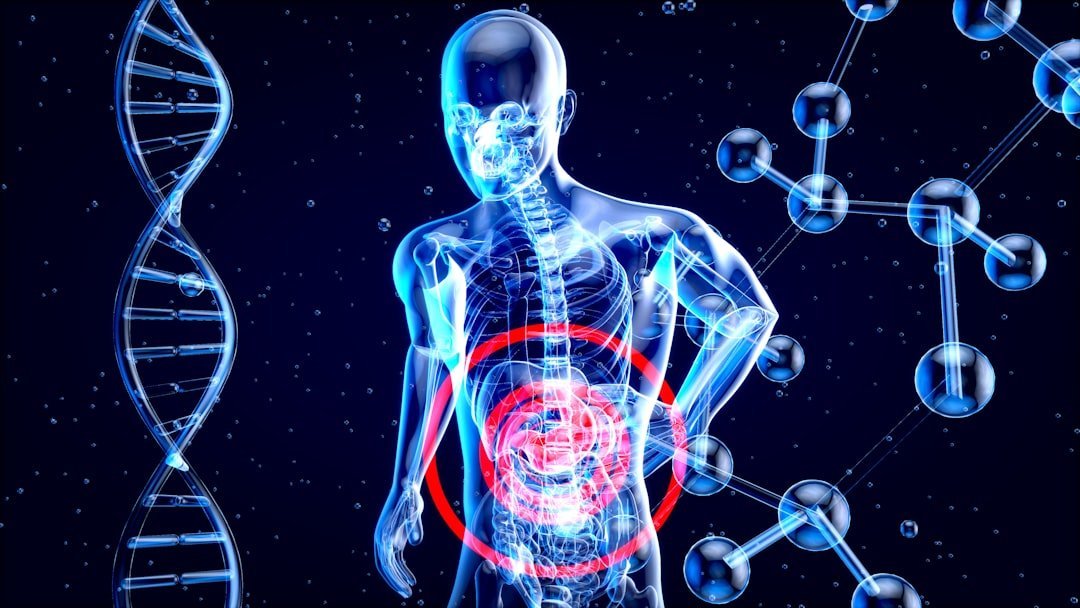
Your Gut Is Running Your Mood More Than Your Brain Is
Your gut holds over 100 trillion microbes. That number isn't a footnote — it's the reason you feel anxious on an empty stomach, foggy after a fast-food binge, or inexplicably calm after a week of eating well.
The link between gut health and mental well-being is no longer fringe science. It's one of the most active research areas in medicine, backed by NIH-funded studies and Harvard Health reviews. Here's what you need to know — and what to actually do about it.
---
The Gut-Brain Axis: A Two-Way Street
The gut and brain talk constantly. The primary cable between them is the vagus nerve, a long wandering nerve that carries signals in both directions. Roughly 90% of those signals travel from the gut to the brain, not the other way around.
Your gut microbiome produces about 95% of your body's serotonin. It also manufactures GABA, dopamine precursors, and short-chain fatty acids that influence inflammation and brain function. When that microbial community is diverse and balanced, your mood tends to be more stable. When it's disrupted — by antibiotics, poor diet, or chronic stress — anxiety and depression risk climbs.
A 2019 analysis published through NIH-associated research found that people with major depressive disorder consistently showed lower levels of Lactobacillus and Bifidobacterium species compared to healthy controls.
The gut-brain axis isn't a metaphor. It's anatomy.
---
How Your Diet Reshapes Your Microbiome Within Weeks
What you eat today changes your microbial population faster than most people expect. Measurable shifts in gut bacteria can appear within 72 hours of a significant dietary change, according to research cited by Harvard Health.
The Mediterranean diet is the most studied example. Regular consumption of olive oil, legumes, whole grains, vegetables, and fish is associated with a 33% lower risk of depression in some population studies. The American Psychological Association has flagged diet as an emerging factor in mental health treatment guidelines.
But here's where it gets weird. Processed foods actively work against you. High sugar intake feeds inflammatory bacterial strains and suppresses beneficial ones. Artificial sweeteners — particularly saccharin and sucralose — have been shown in animal studies to alter gut microbiota composition even at doses considered "safe."
What to Eat More Of
- Fermented foods: Plain yogurt (look for "live active cultures"), kimchi, sauerkraut, kefir, miso
- Prebiotic fiber: Garlic, onions, leeks, bananas, oats, Jerusalem artichokes
- Polyphenol-rich foods: Blueberries, dark chocolate (70%+), green tea, extra-virgin olive oil
- Omega-3 sources: Fatty fish like salmon or sardines, flaxseed, walnuts
What to Cut Back On
- Ultra-processed snacks with more than five unrecognizable ingredients
- Sugary drinks, including "diet" sodas sweetened artificially
- Alcohol beyond one drink per day, which disrupts microbial balance
One concrete swap: replace an afternoon bag of chips with 30 grams of walnuts and a piece of fruit. That single change adds fiber, polyphenols, and omega-3s in one shot.
---
Stress Disrupts Your Gut, and Your Gut Worsens Stress
Here's the thing. Chronic stress triggers cortisol release, cortisol increases intestinal permeability — the so-called "leaky gut" effect — and that allows bacterial fragments into the bloodstream, driving systemic inflammation. That inflammation feeds back into the brain, amplifying anxiety and depressive symptoms.
This is a feedback loop, not a one-time event.
Breaking it requires attacking both ends. Mayo Clinic recommends 150 minutes of moderate exercise per week as a baseline. Exercise directly increases microbial diversity and boosts endorphins. A 2021 study found that 8 weeks of yoga practice reduced cortisol levels and improved self-reported gut symptoms in participants with IBS and anxiety.
Even 10 minutes of diaphragmatic breathing activates the vagus nerve and measurably reduces gut inflammation markers. You don't need an elaborate routine. You need consistency.
---
Frequently Asked Questions
Can gut health really affect my mood? Yes. The gut microbiome produces key neurotransmitters and communicates directly with the brain via the vagus nerve. Disrupted gut bacteria are linked to higher rates of anxiety and depression.
What foods are best for gut health? Plain fermented foods (yogurt, kimchi, kefir), high-fiber vegetables, whole grains, and polyphenol-rich fruits. Diversity in your diet builds diversity in your microbiome.
How long does it take to see changes? Dietary changes can shift gut bacteria within 3 days. Mood-related benefits from consistent dietary changes are typically noticeable within 4 to 6 weeks.
Do probiotics help with mental health? Certain strains — particularly Lactobacillus rhamnosus and Bifidobacterium longum — show promising results in reducing anxiety scores in clinical trials. The evidence is real, but still developing.
---
Truth is — this is one of the most actionable areas in modern health research, and most people are sleeping on it.
This week, add one fermented food daily, cut one processed food, and walk 30 minutes. That's it. Start there. The data supports it, and your gut will notice before your brain does.