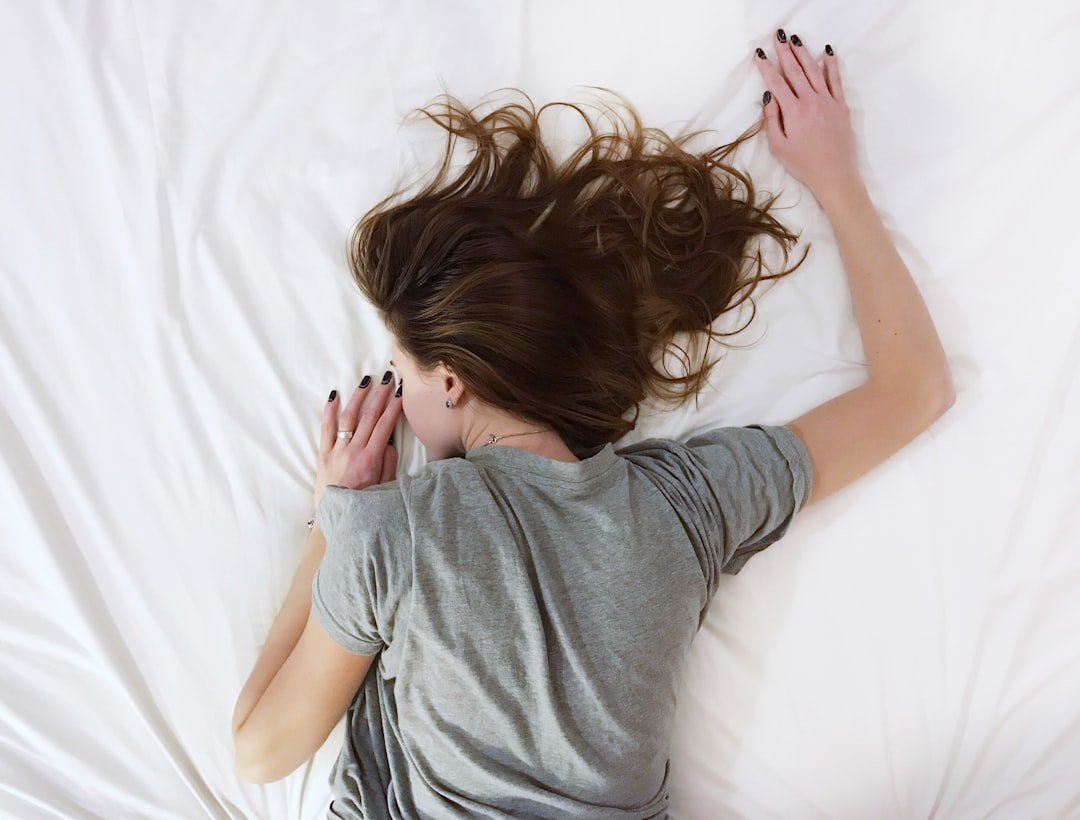
Your Mood Isn't Broken — Your Sleep Might Be
Priya woke up on a Tuesday in October feeling like the ceiling was pressing down on her chest. She'd been averaging five hours a night for two weeks, juggling deadlines, and she assumed the low-grade dread every morning was just stress. Her doctor asked one question: How are you sleeping? That question changed everything.
The link between sleep quality and emotional wellbeing is one of the most underestimated things in everyday health. Most people treat sleep as a luxury they'll catch up on later. They won't. And in the meantime, their emotional health quietly erodes.
---
Myth: Sleep Quality Doesn't Affect Your Mood
It does. Profoundly.
When you sleep, your brain isn't offline — it's processing the day's emotional experiences, consolidating memories, and resetting stress-response systems. The amygdala, the brain's alarm center, becomes significantly more reactive after poor sleep. Research published through the NIH shows that sleep-deprived individuals show up to 60% more emotional reactivity to negative stimuli compared to well-rested controls.
Think about Priya. Her anxiety wasn't a character flaw. It was a neurological consequence of sustained sleep deprivation. The prefrontal cortex — the part that helps you pause before reacting — loses efficiency without adequate rest. You snap at your partner. Small problems feel catastrophic. Decisions feel impossible.
Quality sleep is not optional brain maintenance. It is the maintenance.
---
Fact: Sleep Disorders Are Clinically Linked to Anxiety and Depression
The Numbers Are Hard to Ignore
The Mayo Clinic notes that people with insomnia are significantly more likely to develop depression than those who sleep well. Sleep apnea, affecting an estimated 22 million Americans, is strongly tied to elevated anxiety and mood instability.
Here's the thing — the relationship runs both ways. Depression disrupts sleep. Poor sleep deepens depression. Breaking the cycle often means treating the sleep disorder directly, not just the mood symptoms layered on top.
Many people report meaningful improvement in anxiety within weeks of beginning treatment for insomnia, whether through Cognitive Behavioral Therapy for Insomnia (CBT-I), which the American Psychological Association recognizes as a first-line treatment, or by addressing physical conditions like apnea with CPAP therapy.
If you've been managing anxiety or low mood with therapy or medication but haven't looked hard at your sleep quality, you may be ignoring the most important lever you have.
---
Myth: Weekend Sleep "Catches You Up"
Feels logical. You lose eight hours across the week, sleep ten hours Saturday, balance restored. But that's not how circadian biology works.
Sleeping until 11 a.m. on Sunday shifts your internal clock the same way a transatlantic flight does. Researchers call this "social jetlag." Your body expects sleep and waking at consistent times — override that rhythm and cortisol patterns shift, melatonin release gets delayed, and by Monday morning you're irritable, foggy, and reaching for your third coffee by 9 a.m.
Consistency matters more than total hours. A stable sleep schedule, even 7 hours instead of 8, does more for mood regulation than irregular long sleep sessions ever will.
---
Fact: Good Sleep Builds Emotional Resilience
| Sleep State | Emotional Outcome |
|---|---|
| Consistent 7-9 hours | Better stress tolerance, stable mood |
| Fragmented or short sleep | Heightened reactivity, impaired decision-making |
| Chronic sleep debt | Increased risk of anxiety and depression |
But here's where it gets interesting. During deep slow-wave sleep, the brain processes emotionally charged memories and actually reduces their intensity. REM sleep supports problem-solving and emotional regulation. Without enough of both, you carry yesterday's stress into today, unprocessed.
The American Psychological Association links strong sleep hygiene to improved coping skills and emotional clarity. A consistent bedtime, a cool dark room, cutting screens 45 minutes before sleep — these aren't wellness clichés. They're evidence-backed habits with real outcomes.
---
Frequently Asked Questions
How does sleep affect mental health? Sleep regulates the brain systems responsible for emotional processing and stress response. Poor sleep amplifies negative emotions and weakens your ability to manage pressure.
What are the signs of poor sleep quality? Waking unrefreshed, irritability by midday, difficulty concentrating, increased anxiety, and relying on caffeine to function are all common indicators.
Can improving sleep reduce anxiety? Yes. Multiple studies cited by the NIH show that treating insomnia directly reduces anxiety symptoms, sometimes as effectively as medication in mild-to-moderate cases.
What actually helps you sleep better? A fixed wake time every day (including weekends), limiting caffeine after 2 p.m., and a short wind-down routine signal your nervous system that the day is done.
---
Truth is — this isn't abstract. It's the weight in your chest on a Tuesday morning, the sharp word you didn't mean to say, the problem that feels unsolvable at midnight and obvious at 8 a.m. after real rest.
Start tonight. Pick one thing: a consistent bedtime, a dimmed screen, chamomile instead of a scroll. Your brain will do the rest.