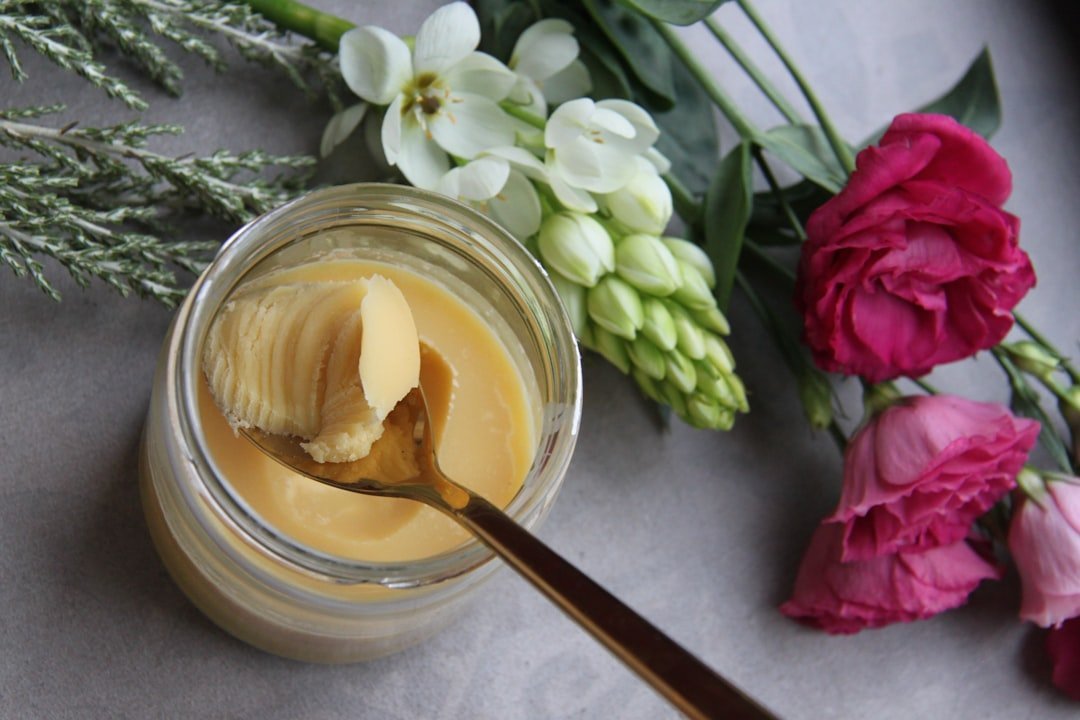
Ghee Is Back on the Table: Myths Debunked, Facts Served Hot
Your grandmother probably never questioned whether ghee belonged in the kitchen. She spooned it over dal, rubbed it on rotis, and maybe even stirred it into warm milk without a second thought. Then came the low-fat era, and suddenly ghee became the villain. Now research is quietly walking that back. So what's actually true about the health benefits of ghee?
Let's sort fact from fiction.
---
Ghee: A Healthy Fat or Just Another Calorie Bomb?
Here's the thing — most people see "saturated fat" on a label and stop reading entirely. Ghee is roughly 62% saturated fat, yes. But fat quality and fat context are not the same thing.
Ghee contains medium-chain triglycerides (MCTs), which your body handles differently than long-chain fats. Instead of getting stored right away, MCTs head to the liver and get burned as quick energy. That's a meaningful distinction. Ghee also delivers fat-soluble vitamins A, E, and K — nutrients your body cannot absorb without dietary fat present.
One more practical point: ghee has a smoke point around 485°F (250°C), well above regular butter at roughly 350°F. When you're sautéing onions or roasting vegetables at high heat, ghee stays stable instead of oxidizing into harmful compounds the way butter or many refined oils can. Indian chefs and home cooks have known this for generations.
---
Myth vs. Fact: Does Ghee Raise Your Cholesterol?
Myth: Ghee clogs your arteries and spikes LDL.
Fact: It's more complicated than that.
The American Heart Association still recommends limiting saturated fat, and that guidance isn't wrong. But emerging research, including studies referenced by the NIH, suggests that not all saturated fats behave identically in the body. The type of fat matters. The overall dietary pattern matters more.
Here's where it gets interesting: ghee used in place of trans fats — the partially hydrogenated oils found in processed snacks — may actually improve your cholesterol profile. Traditional populations in parts of India and South Asia who consume ghee as part of a whole-food diet haven't shown the cardiovascular risk rates you might expect. That doesn't make ghee heart medicine. It means context is everything.
Moderation is non-negotiable. One to two teaspoons a day in an otherwise balanced diet is very different from dolloping it onto every meal.
---
Ghee and Gut Health: The Butyrate Connection
This is where things get genuinely interesting.
Ghee is one of the richest dietary sources of butyrate, a short-chain fatty acid that feeds the cells lining your colon. Research published through NIH databases shows butyrate helps reduce intestinal inflammation and supports the integrity of the gut lining. If you've heard about leaky gut, butyrate is one of the compounds researchers think helps prevent it.
There's also a practical angle for people with lactose intolerance. During clarification, milk solids are removed, stripping out most of the lactose and casein. That's why many people who can't tolerate regular dairy find they can use ghee without any digestive trouble. The Mayo Clinic notes that clarified butter is generally considered safe for those with lactose sensitivity, though anyone with a true dairy allergy should still check with their doctor.
Ghee won't replace a probiotic or rescue a seriously compromised gut on its own. But as one piece of a digestive-health-focused diet, it earns its place.
---
Frequently Asked Questions
Is ghee better than butter?
For high-heat cooking, yes. Ghee's higher smoke point makes it more stable, and it's lactose-free. Nutritionally, both contain saturated fat, but ghee offers slightly more fat-soluble vitamins.
Can ghee support weight loss?
In moderation, the MCTs in ghee may give your metabolism a small nudge. But ghee is calorie-dense — about 112 calories per tablespoon — so it won't help if you're using it freely.
Is ghee safe for people with dairy allergies?
Usually, yes, because the milk solids are removed. But if your allergy is severe or immune-mediated rather than simple intolerance, talk to an allergist before switching.
How much ghee should I eat daily?
Most nutrition practitioners suggest starting with 1 teaspoon and going up to 1 tablespoon if it fits your overall calorie and fat intake. Beyond that, you're getting diminishing returns.
---
Ghee vs. Butter: A Quick Comparison
| Feature | Ghee | Butter |
|---|---|---|
| Smoke point | ~485°F | ~350°F |
| Lactose | Negligible | Present |
| Vitamins A, E, K | Higher concentration | Present but lower |
| Shelf life (room temp) | 2-3 months | 1-2 weeks |
| Best use | High-heat cooking | Spreading, low-heat |
---
The real benefits of ghee show up when you use it intentionally, not just out of habit. Swap it in for refined cooking oils or margarine. Try a small spoonful stirred into morning oatmeal or lentil soup. Start with a teaspoon a day, watch how your body responds, and build from there. Your grandmother was probably right. She just didn't need a PubMed study to know it.