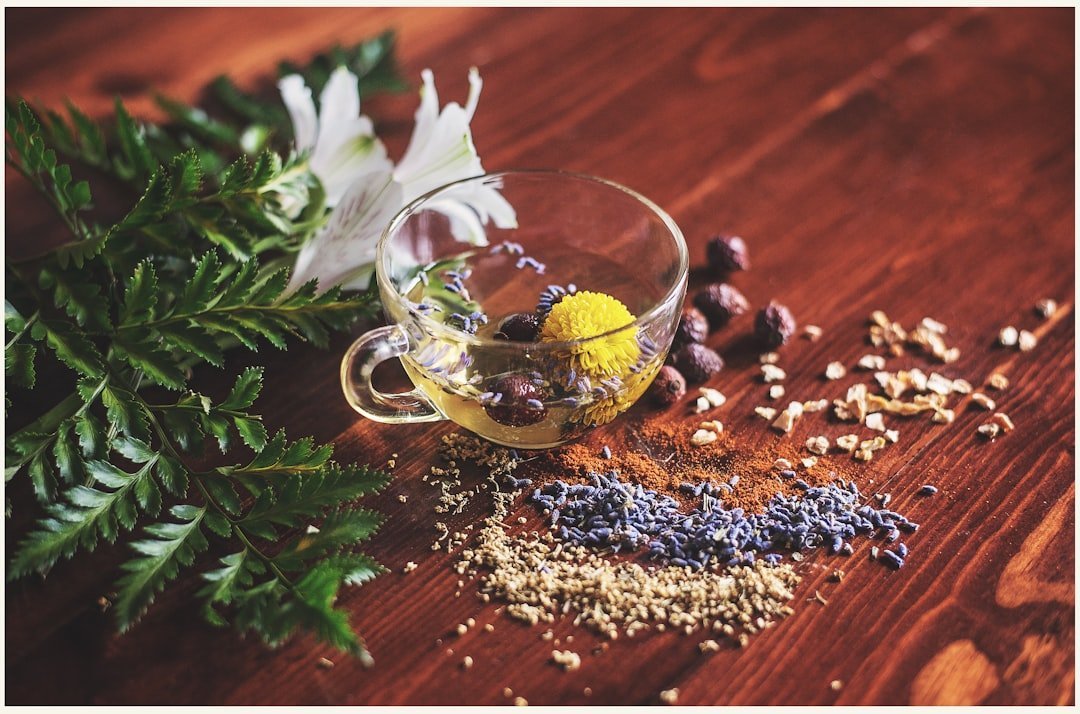
Ayurvedic Remedies for Seasonal Ailments That Actually Deliver Results
Every winter, millions reach for the same cold tablets that dull symptoms without fixing anything. Ayurvedic remedies for seasonal ailments take a different approach: target the cause, support the body, skip the side effects.
This isn't folklore. The World Health Organization estimates that 80% of the world's population uses traditional plant-based medicine as primary healthcare. Ayurveda has been doing this work for over 3,000 years.
---
Battling Seasonal Colds: What Ayurveda Actually Recommends
Cold season hits hardest when immunity is low. Three herbs do most of the heavy lifting.
Tulsi (Holy Basil) is the starting point. It contains eugenol and rosmarinic acid, both of which show antimicrobial and anti-inflammatory activity in NIH-indexed research. Brew 10-12 fresh leaves in 250ml of water for 5 minutes. Drink it twice daily at the first sign of congestion.
Ginger with raw honey works directly on sore throats. Grate a half-inch piece of ginger into hot water, add one teaspoon of raw honey, drink it warm. The gingerols cut inflammation; the honey coats and soothes.
Turmeric milk (haldi doodh) rounds out the trio. One teaspoon of turmeric powder in 200ml of warm whole milk before bed gives you a solid dose of curcumin — the compound with demonstrated anti-inflammatory properties according to Mayo Clinic reviews.
---
Seasonal Allergies: Clearing the Airways Without Antihistamine Brain Fog
Pollen, dust, and mold spores throw your immune system into overdrive. Here's the thing — Ayurvedic herbs work on that overreaction itself, not just the runny nose and itchy eyes downstream from it.
Nasal irrigation with warm salt water is the simplest move. Use a neti pot with 240ml of distilled or boiled water and a quarter teaspoon of non-iodized salt. Once daily during high-pollen periods. Research cited by the NIH supports saline irrigation for reducing allergy symptom severity.
Local raw honey is worth adding. The idea is gradual desensitization to regional pollen. One tablespoon daily, starting 4-6 weeks before allergy season — a protocol used in rural communities across South Asia and increasingly backed by small clinical trials.
Triphala (a blend of amla, haritaki, and bibhitaki) supports respiratory detox and gut health at the same time. 500mg in capsule form or half a teaspoon in warm water at night keeps the digestive-respiratory link working cleanly.
---
Seasonal Fatigue: Getting Your Energy Back Without Caffeine Dependence
Energy crashes during seasonal transitions are real. Shorter days, temperature swings, disrupted routines — they drain your system fast.
Truth is — this is where Ayurvedic remedies show some of their clearest evidence.
Ashwagandha (Withania somnifera) is the anchor herb. A 2019 study published in Medicine (peer-reviewed, indexed on PubMed) found that 240mg of standardized ashwagandha extract daily reduced cortisol by 23% and significantly improved self-reported energy and sleep quality over 60 days.
Brahmi (Bacopa monnieri) handles the cognitive side of seasonal lethargy — sharpens focus, reduces mental fog. Take 300mg of standardized extract in the morning with food.
Add 20 minutes of daily yoga or pranayama. Not as a vague wellness suggestion. Controlled breathing directly regulates the autonomic nervous system, cutting the stress response that bleeds your energy reserves dry.
---
Digestive Upsets: Settling the Gut When Seasons Shift
Digestive distress spikes during seasonal changes, partly because Ayurveda's concept of agni (digestive fire) weakens during transitions. Translation: your gut motility and enzyme output become inconsistent. But here's where it gets weird — most people treat the bloating and ignore the seasonal timing entirely.
- Fennel seeds: Chew half a teaspoon after meals. Reduces bloating and gas by relaxing smooth muscle in the GI tract.
- Cumin tea: Boil one teaspoon of cumin seeds in 500ml of water for 10 minutes. Strain and drink before meals to stimulate digestive enzymes.
- Ginger and peppermint: Together as a tea, they reduce nausea and ease cramping. Particularly effective for festive-season overindulgence.
---
Frequently Asked Questions
What are the best Ayurvedic remedies for seasonal flu? Tulsi tea, ginger-honey water, and turmeric milk form a solid baseline. Start them at the first symptom, not after you're already run down.
Can Ayurveda help with allergies? Yes. Nasal irrigation, local honey, and Triphala address both the trigger response and the underlying inflammation.
How do I strengthen my immune system using Ayurveda? Daily Tulsi tea, 240mg ashwagandha, and consistent sleep are your three non-negotiables.
What dietary changes help during allergy season? Cut processed sugar — it suppresses immune response. Increase anti-inflammatory foods like turmeric and ginger, and add local honey six weeks before your peak allergy window.
---
Start with one herb this week, not five. Pick the problem hitting you hardest right now, choose the corresponding remedy above, and run it consistently for 21 days. Measure how you feel. Adjust from there.