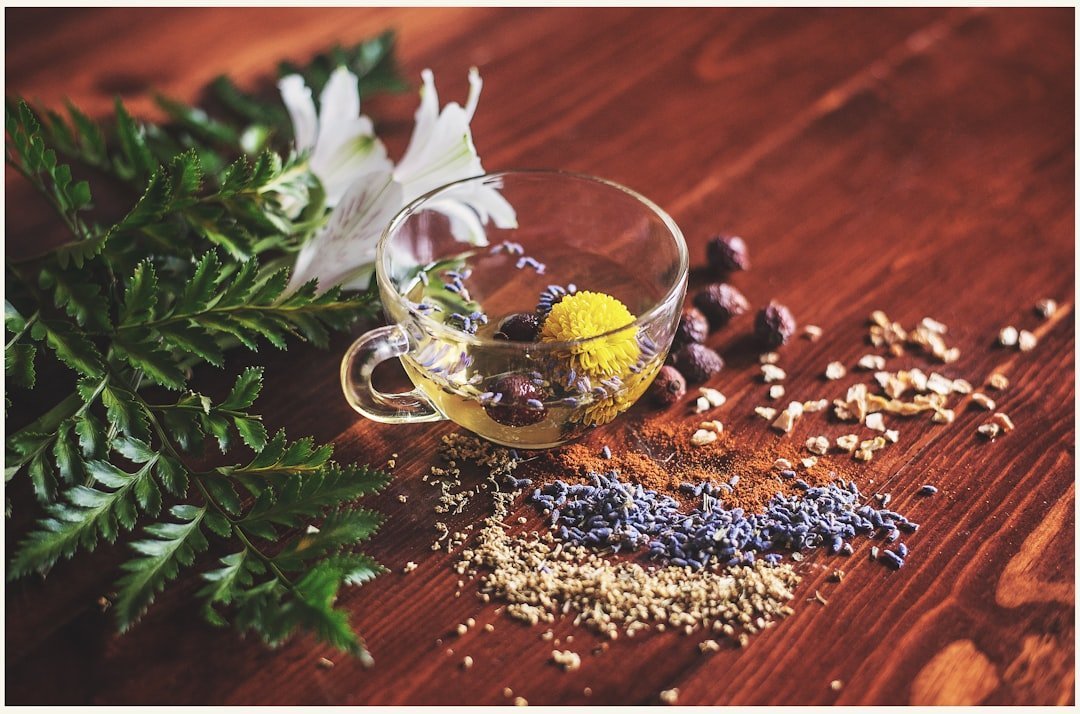
Ayurvedic Tips for Managing Winter Blues: Myth vs. Fact
Nearly 20% of people experience the winter blues each year, feeling heavier, slower, and emotionally flat as daylight shrinks. Most chalk it up to cold weather. But what if the fatigue dragging you through January is a signal worth taking seriously — and what if a 5,000-year-old system of medicine had practical answers?
Ayurveda views the body and mind as inseparable. Winter, associated with the Kapha dosha (earth and water qualities), naturally promotes heaviness, slowness, and inward withdrawal. That's not automatically bad. The problem starts when imbalance tips the scale from rest into stagnation. These Ayurvedic tips for managing winter blues work with that reality, not against it.
---
Myth or Fact: Winter Blues Are Just a Phase You Should Push Through
Myth. Widely, dangerously common.
Yes, low mood in winter is normal to a degree. But dismissing it as temporary means missing early signals. The American Psychological Association distinguishes Seasonal Affective Disorder (SAD) from ordinary winter sluggishness: SAD affects roughly 5% of the U.S. population and can last 4–5 months without intervention.
Ayurveda adds nuance here. An aggravated Kapha doesn't self-correct just because spring eventually arrives. Consider someone who writes off three months of fatigue, oversleeping, and social withdrawal as "just winter." By February, they're behind at work and pulling away from people they care about. Ayurveda would flag this pattern early as a Kapha imbalance needing specific correction — dietary, herbal, and behavioral.
The NIH notes that untreated SAD can progress toward major depressive episodes. Treating the winter blues as a minor inconvenience is the myth. Treating it as actionable information is the fact.
---
Herbal Allies: Ashwagandha, Brahmi, and What the Evidence Says
Two herbs dominate Ayurvedic protocols for mood and cognitive resilience in winter.
ashwagandha (Withania somnifera) is an adaptogen — it helps regulate the stress-response system rather than simply sedating or stimulating it. A 2019 randomized controlled trial published in Medicine found that 240 mg of ashwagandha extract daily reduced cortisol levels and self-reported stress scores significantly over 60 days. Himalaya and KSM-66 are two widely available, standardized forms worth looking for on labels.
Brahmi (Bacopa monnieri) targets cognitive function and mood stability. Research cited by the Mayo Clinic's integrative medicine resources suggests Bacopa may support memory and reduce anxiety, though evidence remains mixed and more large-scale trials are needed. A typical studied dose is 300 mg of standardized extract daily.
A Simple Way to Use Ashwagandha
An ashwagandha latte — warm oat milk, ½ teaspoon ashwagandha powder, a pinch of cardamom, and raw honey — takes under five minutes. It's not a cure. It's just a low-friction way to take an herb that actually has research behind it.
| Herb | Primary Benefit | Common Form | Studied Dose |
|---|---|---|---|
| Ashwagandha | Stress and fatigue | KSM-66 extract | 240–600 mg/day |
| Brahmi | Mood and cognition | Standardized extract | 300 mg/day |
---
Self-Care Rituals That Ayurveda Has Used for Centuries
Abhyanga — daily self-massage with warm sesame or almond oil — is not a spa luxury. It's a documented Ayurvedic practice for stimulating lymphatic flow, calming the nervous system, and grounding both Vata and Kapha energy. Ten to 15 minutes before your morning shower is the traditional recommendation.
Mindfulness and meditation are equally central. The American Psychological Association's research on mindfulness-based interventions consistently shows reductions in depressive symptom scores, with benefits appearing after 8 weeks of regular practice. Ayurveda frames this as quieting mental "ama" (toxic accumulation) — which maps reasonably well onto what neuroscience calls rumination. Here's the thing: the language differs wildly, but the target is the same.
Lighting beeswax candles, using a Himalayan salt lamp, or simply keeping your living space warm reduces the environmental triggers that deepen seasonal low mood. Small, specific changes compound.
---
Eating for Emotional Well-Being in Winter
Warm, moist, spiced, and cooked. That's Ayurvedic winter nutrition in four words. Cold salads and raw smoothies amplify Vata and Kapha imbalance during the coldest months — and this isn't some ancient quirk, it lines up with basic physiology. Digestion requires energy, and cold foods demand more metabolic work when your system is already conserving resources.
Turmeric (curcumin) has been studied extensively for its anti-inflammatory properties, with some research linking chronic low-grade inflammation to depressive symptoms. Ginger supports digestion and circulation. A bowl of khichdi — split yellow moong dal, basmati rice, ghee, turmeric, cumin, and ginger — hits every Ayurvedic principle for winter eating in one practical meal.
Avoid heavy, processed, or excessively sweet foods. They spike and crash blood sugar, which just feeds the sluggishness you're trying to shake.
---
Frequently Asked Questions
What are the signs of winter blues? Persistent fatigue, increased sleep, irritability, carbohydrate cravings, and low motivation are the most common markers. If these last more than two weeks, treat them seriously.
Is winter blues the same as depression? No. Winter blues are typically milder and time-limited. Clinical depression and SAD are more severe and require professional assessment. When in doubt, consult a physician.
How can Ayurveda help with seasonal affective disorder? Ayurveda offers herbal support, lifestyle structure, and dietary changes that can complement — not replace — conventional treatment for SAD.
What foods combat winter blues most effectively? Warm soups, spiced lentils, ghee-cooked vegetables, and herbal teas with ginger and cinnamon are practical starting points.
---
Winter doesn't have to flatten you. Pick one thing: add 240 mg of KSM-66 ashwagandha to your morning routine, cook one warm spiced meal today, or try 10 minutes of morning abhyanga. Truth is — sustainable change rarely starts with a complete overhaul. It starts with whichever option feels least annoying to attempt this week.