Yoga for Mental Clarity: Myths Busted, Focus Found
A colleague once told me she spent 10 minutes doing Tree Pose before a high-stakes client presentation. No prep notes, no extra coffee. Just 10 minutes on the mat. She walked in calm, sharp, and nailed it. That stuck with me.
Most people assume yoga is about touching your toes or posting aesthetically pleasing photos in lululemon. It isn't. yoga for mental clarity is one of the most underused tools for focus, and the myths around it are keeping a lot of people from trying it.
Let's fix that.
---
Myth: Yoga Is Just Stretching
This one is persistent. And wrong.
Physical flexibility is maybe 20% of what a yoga practice actually involves. The rest is breathwork, sustained attention, body awareness, and — depending on the style — serious cardiovascular engagement. Vinyasa, for example, links every movement to an inhale or exhale. Your mind cannot wander when it's tracking both breath and motion at the same time. That's not stretching. That's active cognitive training.
The NIH has published research showing that mind-body practices, including yoga, improve attention regulation and reduce cognitive fatigue. The American Psychological Association has also noted that mindfulness-based interventions — a core part of yoga — measurably reduce stress markers. Here's the thing: yoga works on your nervous system, not just your hamstrings.
---
Fact: Specific Yoga Poses for Focus Actually Work
Not all poses are created equal when it comes to mental sharpness.
Poses Worth Your Time
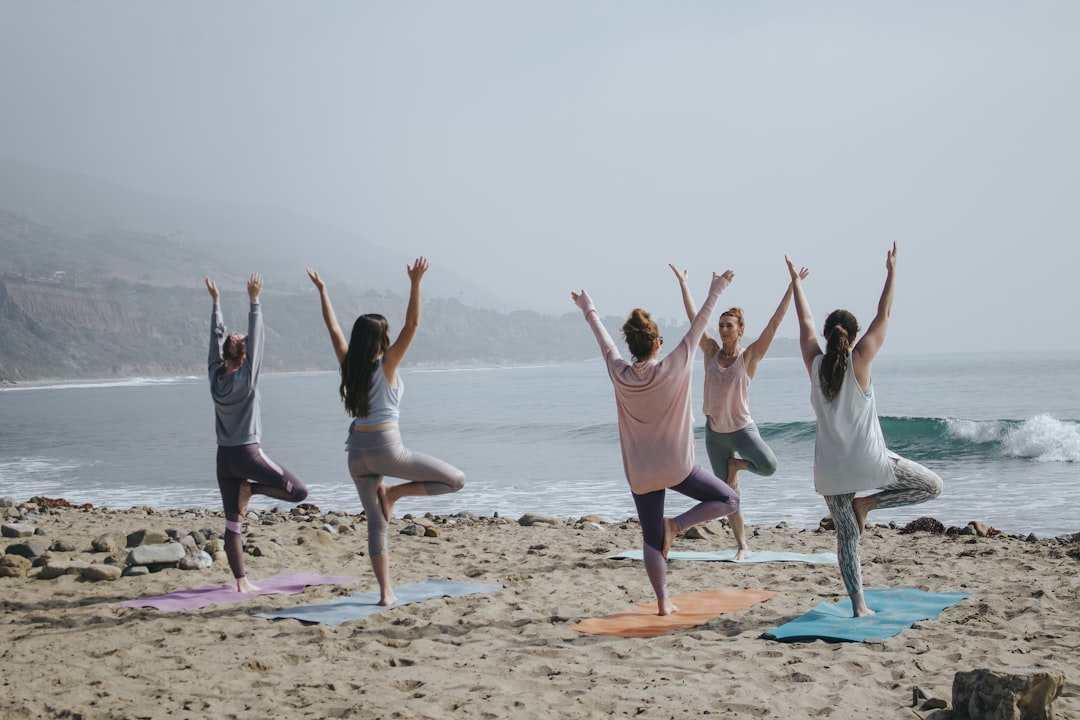
- Tree Pose (Vrksasana): Requires single-leg balance and a fixed gaze point. Your brain has to stay present or you fall over. Literally.
- Eagle Pose (Garudasana): Demands simultaneous coordination of arms and legs. High cognitive load, which trains concentration.
- Chair Pose (Utkatasana): Great for beginners. Builds lower-body strength and forces breath awareness without needing any prior flexibility.
Pair these with slow, deliberate breathing and you amplify the effect. Even 3 focused minutes in Tree Pose can reset your attention mid-afternoon better than scrolling your phone for 20.
Regular practice matters here. Yoga Alliance recommends consistency over intensity — 3 to 4 sessions a week outperforms one long weekend session every time.
---
Myth: You Need to Be Flexible to Start
Flexibility is a result of yoga, not a prerequisite.
This myth stops beginners cold. They picture a room full of people folding themselves in half and think, "That's not for me." But Chair Pose doesn't require you to bend at all. Seated breathing exercises can be done in an office chair. Modified poses exist for every body type, age, and mobility level.
Truth is — a 60-year-old with stiff knees can practice yoga. A postpartum mother, a desk-bound programmer, a teenager with anxiety — all can start today with basic poses and still get the mental clarity benefits without a single forward fold.
The Yoga Alliance certifies instructors trained in adaptive yoga for exactly this reason. You don't need a flexible body. You need a consistent practice.
---
Fact: Mindfulness in Yoga Builds Real Cognitive Gains
Mindfulness isn't a buzzword here. It's a mechanism.
When you focus on breath during Pranayama — say, 4 counts inhale, 4 counts hold, 4 counts exhale — you're actively interrupting the default mode network, the part of your brain responsible for mind-wandering. Mayo Clinic cites mindfulness-based stress reduction as effective for improving attention and reducing anxiety symptoms. That's the same neural machinery yoga for mental clarity targets.
But here's where it gets weird: breathwork also lowers cortisol, and lower cortisol means clearer thinking. The science on this is consistent across NIH-published studies. Not mystical. Just physiology.
---
Frequently Asked Questions
Can yoga help with anxiety and focus at the same time? Yes. Breathwork and movement together regulate the nervous system, which directly reduces anxiety while sharpening concentration.
How often should I practice for results? 3 to 4 times a week is the sweet spot. Even 10 to 15-minute sessions count toward that goal.
What's the best time of day for yoga? Morning works well for setting focus before your day loads up. But the best time is honestly whenever you'll actually do it.
Do I need equipment? A non-slip mat helps. That's genuinely it. No blocks, straps, or special clothing required to start.
---
Pick one pose from the list above. Do it tomorrow morning for 10 minutes. Just one. Notice how your first hour of work feels. That's your experiment. The data will speak for itself.