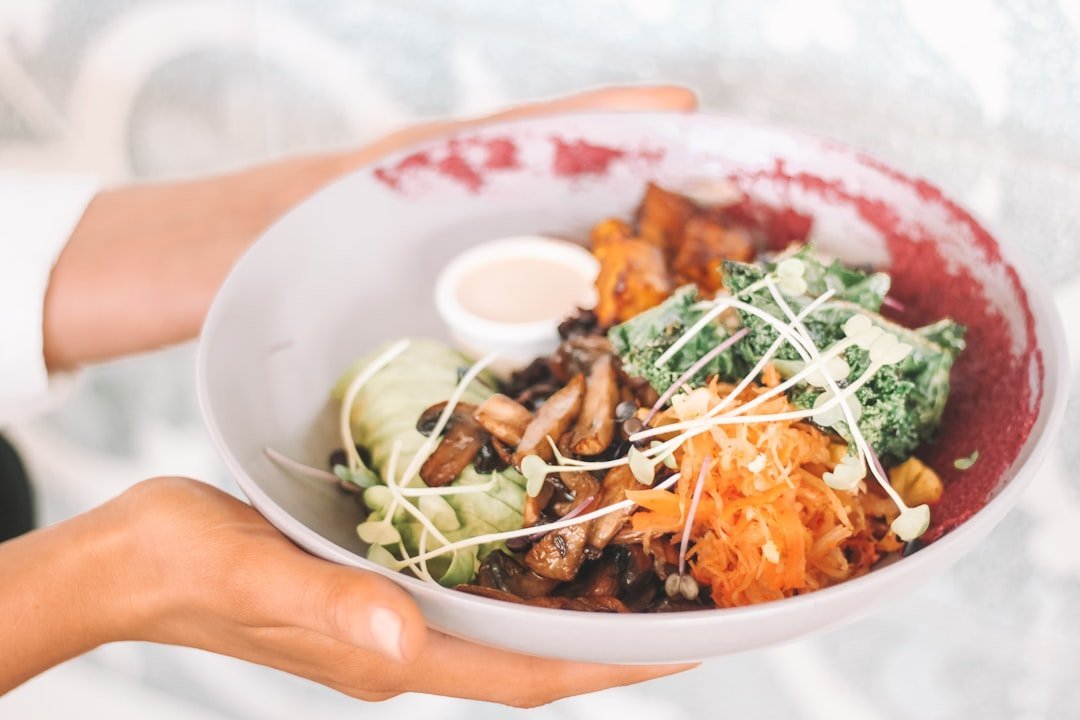
What You Eat Is Changing Your Mood Right Now
A 2022 review published in Nutritional Neuroscience found that people eating ultra-processed diets were 33% more likely to report symptoms of depression. That single number cuts through more noise than any abstract theory ever could.
Your food choices are not just about weight or energy. They are active inputs into your brain chemistry, every single day.
---
The Mood-Food Connection: Understanding the Science
Your gut and brain are in constant conversation. The vagus nerve runs directly between them, and roughly 90% of your body's serotonin is produced in the gut, not the brain. That fact alone should change how you think about nutrition and mental health.
Omega-3 fatty acids — found in salmon, sardines, and mackerel — support serotonin and dopamine signaling. The NIH has documented their role in reducing neuroinflammation, which is increasingly linked to depression and anxiety. Magnesium, found in spinach and pumpkin seeds, supports GABA receptors that keep anxiety in check.
Poor diets high in refined carbohydrates trigger systemic inflammation. That inflammation crosses the blood-brain barrier and disrupts neurotransmitter production. The American Psychological Association has flagged chronic dietary inflammation as an emerging factor in mood disorders.
The science is no longer soft. Feed your gut well, and your brain follows.
---
How Processed Foods Affect Your Mental State
Cut out the packaged snacks for two weeks and most people notice something: they feel less irritable by day 10. Not placebo. Blood sugar.
Processed foods spike glucose fast and drop it hard. That crash triggers cortisol release, which raises anxiety and shortens your emotional fuse. Trans fats and added sugars also suppress brain-derived neurotrophic factor (BDNF), a protein essential for learning, memory, and mood regulation.
Additives like sodium benzoate and artificial colorings have been linked in several European Food Safety Authority studies to hyperactivity and mood dysregulation. The World Health Organization has called for reduced ultra-processed food consumption globally, citing both physical and mental health risks.
Here's the thing — the fix is not perfection. It is substitution. Replace one processed snack daily with a handful of walnuts or an apple with almond butter. Small swaps accumulate fast.
---
Practical Tips for Mood-Boosting Meals
When you get specific about foods and habits, the mood-food connection stops being abstract pretty quickly.
Foods That Support Stable Mood
- Fatty fish (salmon, sardines): 2 servings per week covers most omega-3 needs
- Dark leafy greens (spinach, kale): high in folate, low folate is consistently linked to depression
- Fermented foods (kefir, kimchi, plain yogurt): feed beneficial gut bacteria
- Whole grains (oats, brown rice): slow glucose release prevents mood crashes
- Dark chocolate (70%+ cacao): raises endorphins; 30g is enough
Hydration Matters More Than You Think
Mild dehydration — just 1–2% body water loss — measurably impairs mood and concentration, according to studies cited by the Mayo Clinic. Truth is — most afternoon irritability is not stress. It is dehydration. Drink water before reaching for caffeine.
| Food | Key Nutrient | Mood Benefit |
|---|---|---|
| Salmon | Omega-3 (EPA/DHA) | Reduces neuroinflammation |
| Spinach | Folate, Magnesium | Supports serotonin synthesis |
| Kefir | Probiotics | Strengthens gut-brain axis |
| Oats | Complex carbohydrates | Stabilizes blood glucose |
| Walnuts | ALA, Polyphenols | Reduces oxidative stress |
---
Frequently Asked Questions
Can changing my diet really improve my mood? Yes. Most people notice a measurable difference within 2 to 4 weeks of consistent changes, particularly when reducing processed foods and increasing whole food intake.
What foods should I avoid for better mental health? Minimize foods high in refined sugar, trans fats, and artificial additives. Sugary drinks, packaged pastries, and fast food are the highest-impact targets.
Are there specific diets that help with anxiety? The Mediterranean diet — rich in omega-3s, fiber, and antioxidants — has the strongest research backing for reducing anxiety symptoms. AIIMS and several European research centers have studied it extensively.
How long before diet changes affect mood? But here's where it gets weird — gut microbiome shifts begin within just 3 to 5 days of dietary change. Noticeable mood improvements typically follow within 2 to 4 weeks.
---
The psychological impact of diet on mood is measurable, real, and within your control. Pick one change this week: swap one processed snack for a whole food alternative, add one serving of fatty fish, or drink an extra 500ml of water daily. Start there. Build from it.