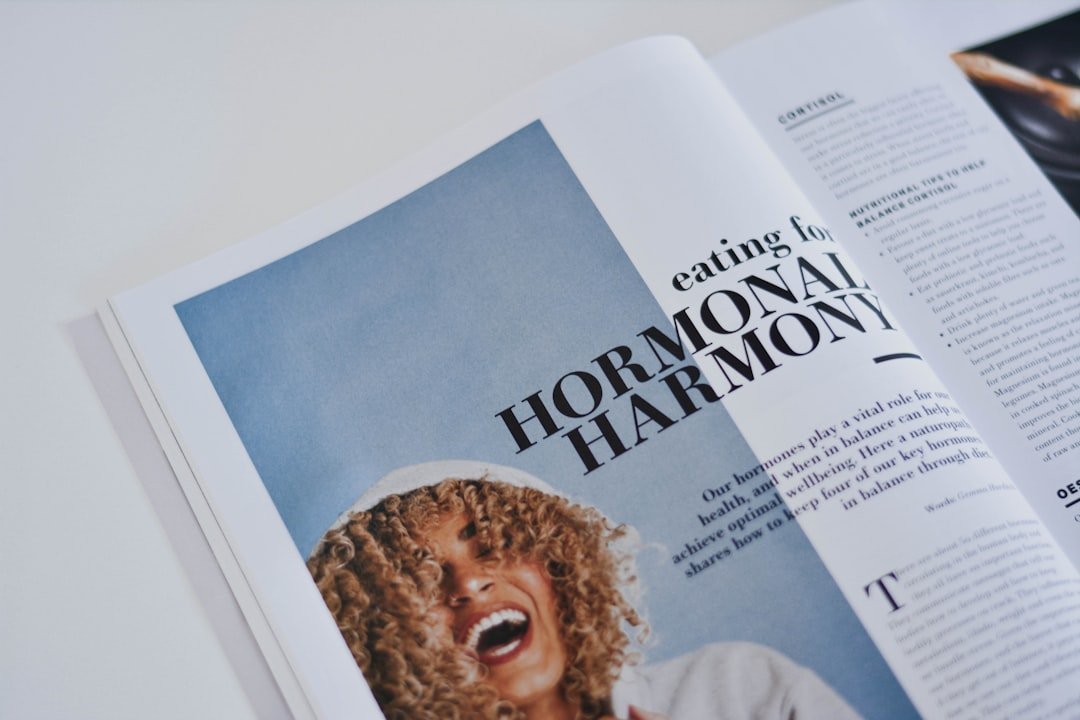
What You Eat Before Menopause Could Change Everything About How You Experience It
Nearly 75% of women experience some form of discomfort during menopause. Hot flashes, mood swings, joint pain, disrupted sleep — these aren't inevitable. They're partly negotiable, and the negotiation starts on your plate, years before your last period.
The right nutrition approach isn't about restriction. It's about strategic addition: getting the specific nutrients your body will increasingly demand as estrogen levels drop. Here's where to focus.
---
Phytoestrogens: Plant Compounds That Work With Your Hormones
Phytoestrogens are plant-derived compounds that bind weakly to estrogen receptors, partially compensating when your body produces less of its own. The North American Menopause Society acknowledges their potential to reduce hot flash frequency, particularly isoflavones found in soy.
Your best sources:
- Flaxseeds (lignans): 1–2 tablespoons ground in a smoothie daily
- Edamame and tofu: 25g of soy protein daily is the commonly studied dose
- Whole grains: oats, barley, rye
Evidence is mixed on whether phytoestrogens help everyone equally. Women with a gut microbiome capable of converting daidzein to equol tend to see stronger effects. That said, adding flaxseed to your morning yogurt costs nothing and carries no known risk for most women. Pretty low bar to clear.
---
Calcium and Vitamin D: Your Bones Are Already Keeping Score
Estrogen protects bone density. Once it drops, you lose that protection fast. The NIH estimates women can lose up to 20% of their bone density in the five to seven years following menopause. That loss starts building — or eroding — well before menopause arrives.
What to Target
Aim for 1,000 mg of calcium daily before menopause (the threshold rises to 1,200 mg after age 50, per NIH guidelines). Food sources beat supplements for absorption:
- Plain Greek yogurt: ~200 mg per 100g serving
- Cooked kale: ~180 mg per cup
- Canned sardines with bones: ~350 mg per 100g
Here's the thing about vitamin D — without enough of it, you absorb as little as 10–15% of the calcium you consume. The Mayo Clinic recommends 600 IU daily for women under 70, rising to 800 IU after. If you live at a northern latitude and work indoors, a supplement like Nature Made Vitamin D3 1000 IU is a reasonable baseline. Ask your GP to check your 25-OH vitamin D level. Deficiency is far more common than most people expect.
---
Omega-3 Fats: Anti-Inflammatory and Underused
Perimenopause is an inflammatory period. Falling estrogen correlates with increased inflammatory markers, which contributes to joint ache, brain fog, and cardiovascular risk.
Omega-3 fatty acids — specifically EPA and DHA — counter this directly. Research from NIH-supported studies suggests regular omega-3 intake supports both heart health and mood stability, two things that shift noticeably during this transition.
Practical sources:
- Salmon (wild-caught): 2,000–3,000 mg EPA/DHA per 100g serving
- Walnuts: a decent ALA source, though conversion to DHA is inefficient
- Chia seeds: 5g ALA per tablespoon
But here's where it gets weird — a salmon salad with walnuts three times a week is genuinely sufficient for most women. If fish isn't your thing, an algae-based DHA supplement like Thrive Algae Oil bypasses the conversion problem entirely.
---
Frequently Asked Questions
What are the best foods to eat before menopause? Prioritize phytoestrogen-rich foods (flaxseeds, soy), calcium sources (yogurt, sardines, leafy greens), and oily fish for omega-3s. These three categories address the most common menopause symptoms directly.
Can diet actually reduce menopause symptoms? Yes, with caveats. Evidence is strongest for soy isoflavones reducing hot flash frequency and calcium protecting bone density. diet won't eliminate symptoms for everyone, but it consistently reduces severity in studies reviewed by the North American Menopause Society.
Is it too late to start if I'm already in perimenopause? No. Bone loss is ongoing, inflammation is ongoing, and the gut microbiome responds to dietary change within weeks. Starting now still matters.
How much water should I drink? Eight 250ml glasses daily is a reasonable baseline. Herbal teas and water-rich vegetables like cucumber and celery count toward that total. Hydration directly affects hot flash intensity and vaginal dryness — two symptoms women most want managed.
---
Your Starting Point
Pick one change this week. Add two tablespoons of ground flaxseed to breakfast. Swap your afternoon snack for Greek yogurt with almonds. Book a vitamin D blood test.
Truth is — none of this is complicated. It's just consistent. Small, specific shifts in what you eat now will determine how much leverage you have over this transition later. Start before you need to.