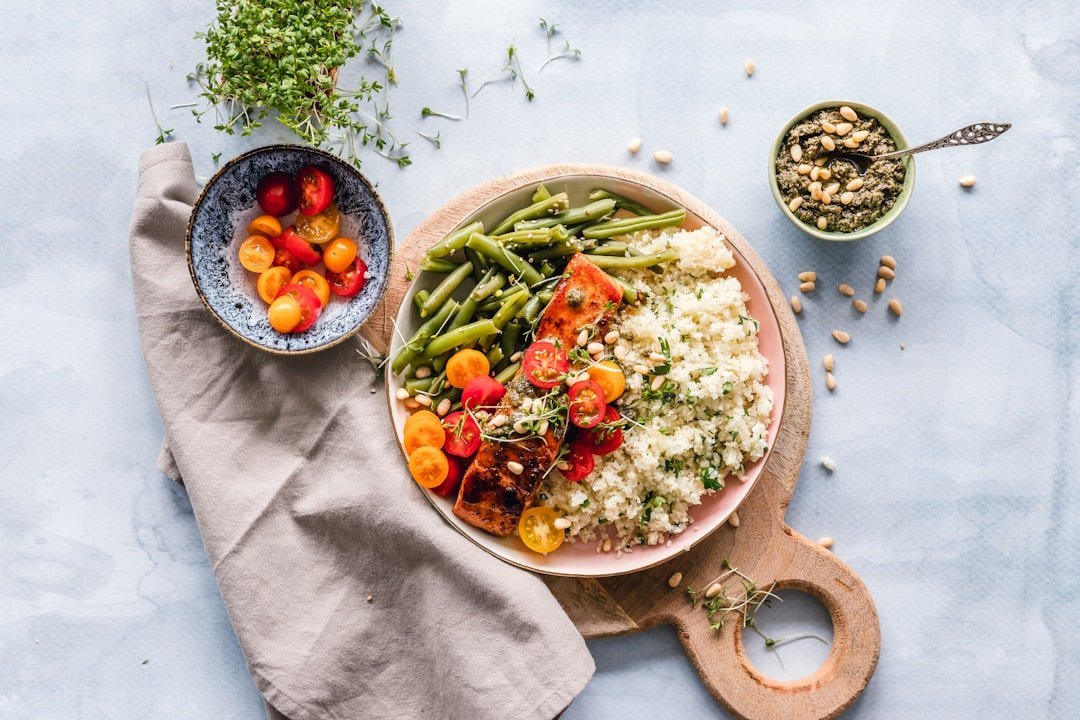
Smarter Eating With Diabetes: Practical Dietary Changes That Actually Work
Over 34 million Americans are living with diabetes, yet one of the most persistent myths is that managing the condition means surrendering every food you love. It doesn't. Good dietary choices for diabetes aren't about deprivation — they're about understanding how food affects your blood sugar and making deliberate choices that keep levels stable without making mealtimes miserable.
Take Maria, a 52-year-old diagnosed with Type 2 diabetes who assumed her diagnosis meant no more pasta nights with her family. After working with a registered dietitian, she learned to swap white pasta for chickpea pasta, control her portion to 45g of carbohydrates per meal, and add a side of roasted vegetables. Her post-meal glucose readings improved within three weeks. The food wasn't gone — it was reconfigured.
---
Mastering Carbohydrate Counting
Carbohydrates raise blood glucose more directly than any other macronutrient. Every gram eventually becomes glucose, which is why carb counting is the cornerstone of any effective diabetes diet plan.
The American Diabetes Association generally recommends 45–60g of carbohydrates per meal for most adults, though this varies by body weight, activity level, and medication. A practical starting point: a small whole-grain wrap with turkey, spinach, and sliced peppers hits roughly that target while delivering fiber and protein alongside the carbs.
Food labels are your first tool. Apps like MyFitnessPal or Cronometer let you scan barcodes and log meals in under 30 seconds. The goal isn't obsessive tracking forever — it's building enough pattern recognition that you can estimate confidently without logging every bite.
Carbohydrate Quality Comparison
| Food | Serving | Carbs (g) | Fiber (g) | Glycemic Index |
|---|---|---|---|---|
| White rice | 1 cup cooked | 45 | 0.6 | 73 |
| Brown rice | 1 cup cooked | 45 | 3.5 | 50 |
| Quinoa | 1 cup cooked | 39 | 5 | 53 |
| Lentils | 1 cup cooked | 40 | 16 | 32 |
Same carbohydrate load, very different metabolic effect.
---
Choosing Low Glycemic Index Foods
The glycemic index (GI) measures how quickly a food raises blood glucose on a scale of 0–100. High-GI foods like white bread (GI ~75) spike glucose fast. Low-GI foods digest more slowly, producing a gradual, manageable rise.
The NIH and American Diabetes Association both support incorporating low-GI foods as part of a broader healthy eating strategy for diabetes. Practical staples worth adding to your rotation: lentils (GI ~32), rolled oats (GI ~55), chickpeas (GI ~28), and non-starchy vegetables like broccoli and spinach, which barely register on the scale at all.
Quinoa is worth singling out. It's a complete protein, contains 5g of fiber per cooked cup, and has a GI around 53 — well below white rice. Swapping rice for quinoa three nights a week is a low-effort change that compounds over time.
Here's the thing about GI, though: it doesn't account for portion size. Watermelon has a high GI (~72) but a low glycemic load per normal serving because it's mostly water. Context matters.
---
Balancing Macronutrients at Every Meal
Carbohydrates get the most attention in diabetes nutrition, but protein and fat do real work too. Protein slows gastric emptying, which blunts the post-meal glucose spike. Healthy fats do the same. The Mayo Clinic emphasizes building meals around all three macronutrients rather than treating carbs as the only variable.
A well-structured meal example: 100g of grilled salmon (protein and omega-3 fats), half an avocado (monounsaturated fat), and a cup of steamed broccoli (fiber). This combination delivers satiety, slows digestion, and keeps glucose from spiking sharply after eating.
Fiber deserves a moment. Soluble fiber — found in oats, beans, and apples — forms a gel in the digestive tract that slows glucose absorption. Aim for at least 25–38g of total fiber daily. Most Americans don't come close.
Lean proteins worth prioritizing: chicken breast, eggs, Greek yogurt, tofu, and canned tuna. Filling without the saturated fat that can worsen insulin resistance over time.
---
Frequently Asked Questions
What foods should I avoid with diabetes? Minimize refined sugars, sugary drinks, white bread, and ultra-processed snacks. These are high-GI foods that spike blood glucose quickly and offer little nutritional value in return.
Can I eat carbohydrates if I have diabetes? Yes. The type and portion matter more than elimination. Whole grains, legumes, and vegetables are carbohydrate sources that support stable blood sugar rather than disrupting it.
How much protein should I include per meal? A moderate intake — roughly 20–30g of protein per meal — helps slow glucose absorption and supports muscle maintenance, which improves insulin sensitivity.
Is a low-carb diet effective for diabetes? Research published through the NIH suggests low-carb approaches (under 130g carbs/day) can meaningfully improve HbA1c levels in some people. Results vary, so work with your healthcare provider before making dramatic cuts.
---
Truth is — dietary changes for diabetes don't require overhauling everything at once. Start with one concrete swap this week: replace white rice with lentils or quinoa at two meals. Track how your blood sugar responds. Then build from there. Small, specific changes made consistently are what actually move the needle.