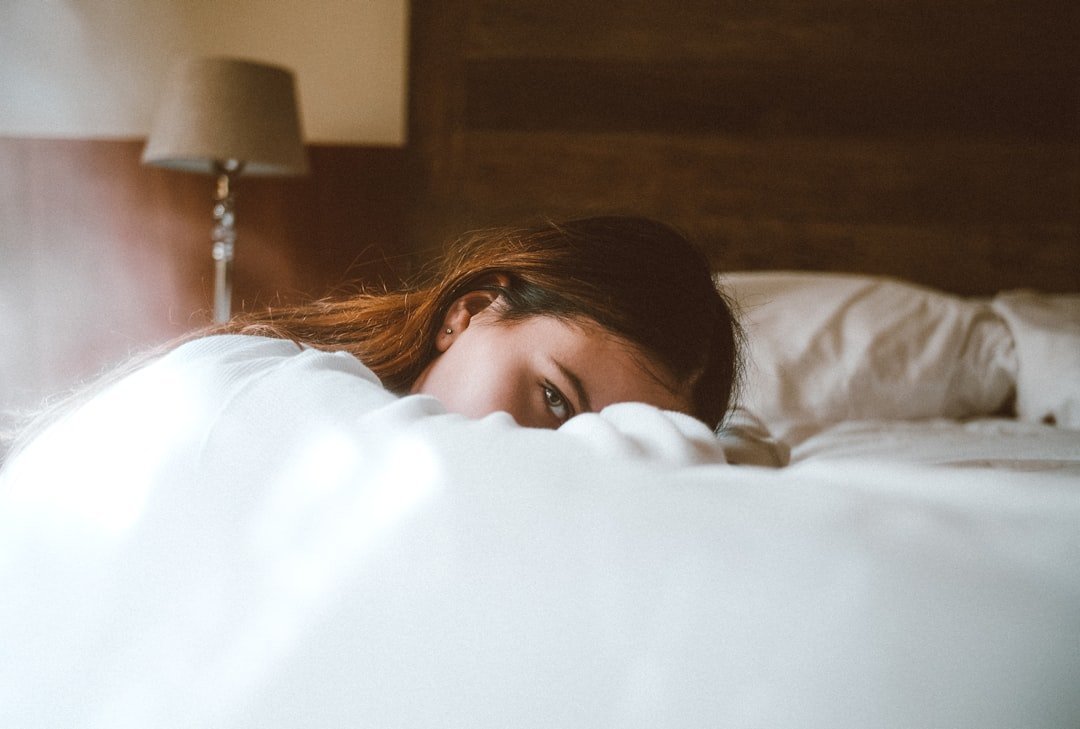
Sleep Hygiene Strategies for Better Rest That Actually Work
Marcus went to bed at 11 p.m. on weekdays and 2 a.m. on weekends. By Thursday he was wrecked, and he couldn't figure out why. The answer wasn't a supplement or a new mattress. It was his schedule — or the complete absence of one.
He's not alone. The NIH estimates roughly one in three adults regularly fall short of the recommended 7 to 9 hours per night. Chronic sleep deprivation is linked to hypertension, impaired glucose metabolism, depression, and a measurably weakened immune response. The good news: most of these problems respond well to behavioral change. The right sleep hygiene strategies cost nothing and can produce measurable improvement within two weeks.
---
Transform Your Bedroom Into a Sleep Sanctuary
Your brain learns associations. If your bedroom doubles as your office, your Netflix theater, and your dining room, your brain stops reading it as a place for sleep.
The Mayo Clinic recommends keeping your bedroom cool — between 60 and 67°F (15 to 19°C) — dark, and quiet. Temperature matters because your core body temperature needs to drop by roughly 1 to 2°F to initiate sleep onset. Blackout curtains (brands like Deconovo or Nicetown run under $30) block streetlight and morning sun that suppress melatonin. A white noise machine or a simple fan masks disruptive sounds without requiring earplugs.
The Screen Problem
Blue light from phones and laptops suppresses melatonin production by up to 50%, according to research published through Harvard Medical School. The American Academy of Sleep Medicine recommends stopping screen use at least 30 minutes before bed — 60 minutes is better. If you can't avoid screens, blue-light-blocking glasses (Swanwick and Felix Gray make well-reviewed options) or enabling Night Shift on your iPhone cuts the exposure meaningfully.
Your mattress and pillow matter too, but they don't need to be expensive. What matters is spinal alignment for your primary sleep position. Side sleepers need a thicker pillow; back sleepers need less loft.
---
Establish a Consistent Sleep Schedule
Here's the thing — this is the single highest-leverage change most people can make.
Your circadian rhythm is a roughly 24-hour biological clock governed largely by light exposure and behavioral cues. Go to bed and wake up at wildly different times across the week, and you're essentially giving yourself social jet lag. The National Sleep Foundation notes that consistency — same bedtime and wake time, including weekends — stabilizes this rhythm faster than almost any other intervention.
Set a wake alarm. Then set a bedtime alarm. The bedtime one feels weird, but it works. It cues the wind-down before you're already overtired and scrolling.
Daytime naps deserve a word of caution. Naps longer than 20 minutes taken after 3 p.m. can significantly reduce sleep pressure — the adenosine buildup that makes you feel sleepy at night. Keep naps short and early if you need them at all.
---
Mind What You Consume Before Bedtime
Caffeine has a half-life of approximately 5 to 6 hours. That 3 p.m. coffee still has half its caffeine circulating in your bloodstream at 9 p.m. The NIH recommends cutting caffeine by early afternoon if sleep is a problem. Nicotine is a stimulant with a similar effect and often gets overlooked entirely.
Alcohol is more complicated. It helps you fall asleep faster — which is why so many people reach for it. But it fragments sleep in the second half of the night, suppresses REM, and increases nighttime waking. More hours in bed, worse sleep. That's the actual trade-off.
Heavy meals close to bedtime force your digestive system to work during a period when your body is trying to downregulate. A light snack is fine — something with tryptophan like a small handful of walnuts or a few slices of turkey. Chamomile tea contains apigenin, a compound that binds to GABA receptors and produces mild sedation. Not a sleeping pill, but it genuinely helps with relaxation.
---
Incorporate Relaxation Techniques Into Your Evening Routine
Stress activates the hypothalamic-pituitary-adrenal axis, releasing cortisol. Cortisol and sleep are biological opposites. You can't force your nervous system to downshift — you have to give it a reason to.
The most evidence-supported options:
- Progressive muscle relaxation: Tense and release muscle groups from feet to face over about 10 minutes. Multiple studies cited by the American Academy of Sleep Medicine show it reduces sleep onset time.
- 4-7-8 breathing: Inhale 4 seconds, hold 7, exhale 8. Activates the parasympathetic nervous system within a few cycles.
- Guided meditation apps: Calm and Headspace both have sleep-specific programs. Even 10 minutes of guided body scan meditation measurably reduces pre-sleep anxiety.
- Light stretching or yoga: Lowers muscle tension and core body temperature simultaneously.
Reading a physical book — not a tablet — works well too. It needs to be genuinely absorbing but not stimulating. A novel beats the news every time.
---
Frequently Asked Questions
Can improving sleep hygiene strategies for better rest actually reduce insomnia? Yes. Cognitive behavioral therapy for insomnia (CBT-I), recommended by the American Academy of Sleep Medicine as a first-line treatment, is built almost entirely on sleep hygiene and behavioral change. Many people see significant improvement without medication.
How does diet affect sleep quality? Caffeine, alcohol, and heavy meals all delay sleep onset or fragment sleep architecture. Conversely, magnesium-rich foods (spinach, pumpkin seeds) and tryptophan sources support melatonin production.
What role does screen time play? Screens delay sleep onset through blue light and cognitive stimulation. Truth is — the combination is more disruptive than either factor alone.
How long before I see results? Most people notice improvement within 7 to 14 days of consistent behavioral changes.
---
Your sleep environment, schedule, diet, and wind-down habits all interact. Pick one section, apply it for seven nights without exception, then add another. Start tonight: set a consistent wake time and keep it for the next seven days — even on the weekend. That single change is where better sleep begins.