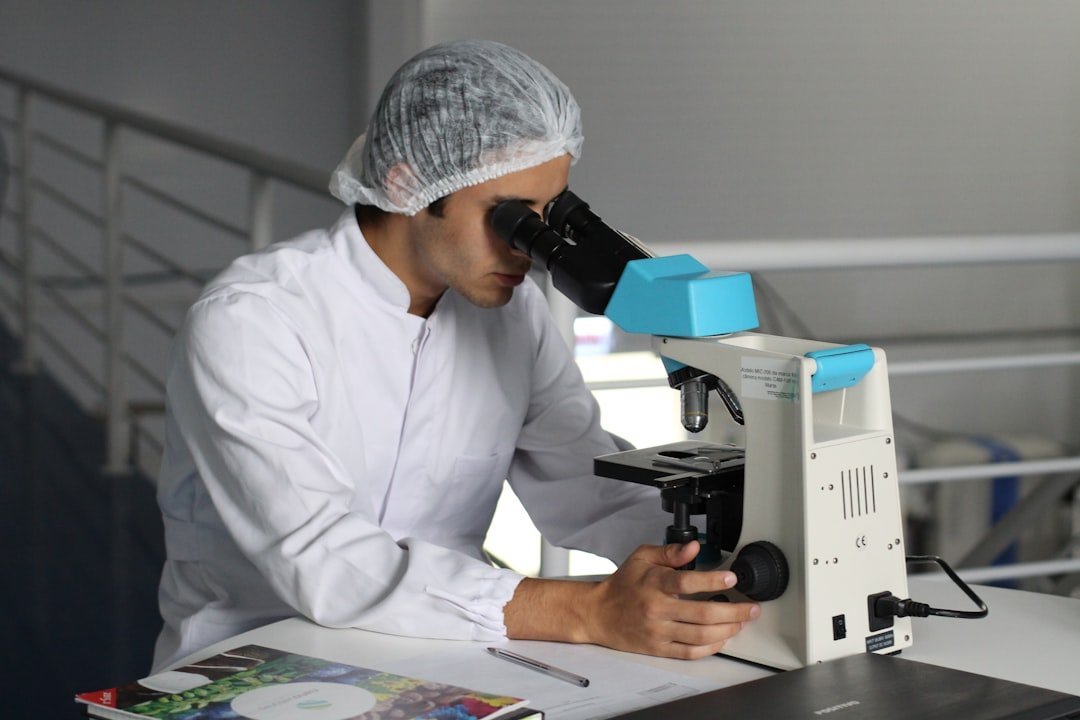
That morning, Elara, at 93, laced up her worn New Balance sneakers. The morning air crisp with the scent of pine needles from her backyard. Her knees, once a constant ache, moved with surprising fluidity. A testament to years of careful self-attention. And, maybe, something more. She thought of her grandmother, who’d faded after a mere 70 years, ravaged by heart disease. Elara, by contrast, had just finished a brisk 30-minute walk. She was ready to tackle a complex crossword. Her mind, sharp and inquisitive, didn't feel like a relic. It felt like a vibrant, living library. This isn't some made-up story, you know. It's a peek into a future closer than you might think, fueled by incredible longevity research breakthroughs.
The New Horizon: Extending Health and Years Through Science
The dream of not just living longer, but living well—vibrantly, free from the debilitating grip of chronic disease well into our tenth decade—is rapidly shifting from science fiction to scientific reality. The truth is, medical understanding now zeros in on the root causes of aging itself, not just its symptoms. This new era? It’s about reshaping what growing old looks like. And offering real strategies for a longer, healthier run.
Decoding Your Cells: The New Frontier of Age Reversal
The very blueprint of us, our DNA, holds secrets to how we age. One key area in longevity research breakthroughs? Telomeres. Those protective caps at the ends of our chromosomes. Every time a cell divides, these telomeres get shorter. Too short, and the cell can't divide anymore. It just enters this state called senescence. Essentially, a "zombie cell." These zombie cells? They don't die. They just hang around, spewing inflammatory signals that trash surrounding healthy tissue. And they kick in age-related diseases like arthritis and heart problems. Good news: researchers are hunting for ways to target and clear these zombie cells out. Unity Biotechnology, for example, is developing senolytics. These drugs are specifically designed to eliminate those problematic cells. They're showing promising results in preclinical and early-stage human trials for things like age-related macular degeneration.
Beyond telomeres and these zombie cells, the world of epigenetics is super promising. Epigenetic changes are like switches. They turn genes on or off, changing how our cells act without messing with the DNA itself. Scientists at places like Harvard Medical School are figuring out how our environment and certain interventions can reprogram these epigenetic tags. Could make cells more youthful. This work? It hints at cellular rejuvenation research becoming less theoretical. Offering fresh ways to fix tissue function and slow down our biological clock.
Beyond Dieting: Eating for Lifespan & Vitality
What you eat really influences your cellular health. And, well, how long you live. Forget simple weight loss. Today, cutting-edge research shows how specific diets and compounds interact with our aging pathways. Caloric restriction mimetics? They're a big deal right now. These are substances or approaches that copy the good effects of severe calorie restriction. That's a known lifespan extender for many creatures. But without the extreme hunger part. Resveratrol, which you find in red grape skins and often in supplements, is one such mimetic. It's gotten a lot of buzz for potentially activating sirtuins. A family of proteins tied to cellular longevity.
Autophagy is another super important process. It's the body's natural clean-up crew. Cells "eat" their damaged bits. Then recycle them into fresh, healthy structures. This cellular spring cleaning is crucial. It keeps everything working right and stops that junk buildup that makes us age. Intermittent fasting, for instance. It's a powerful way to kickstart autophagy. Encourages cells to repair and regenerate. Oh, and NAD+ (nicotinamide adenine dinucleotide) boosters? They're getting a lot of attention. NAD+ is a key coenzyme for cellular energy and DNA repair. Levels drop as we get older. Boosting them with precursors like NR or NMN is what researchers at places like the National Institute on Aging (NIA) are focusing on. The idea? Get that youthful metabolism back. Bolster those repair mechanisms.
Tomorrow's Youth Today: Innovations Redefining Aging
Here's the thing: innovation in geroprotectors science is just flying. It's pushing what we ever thought possible. Emerging gene therapies? They're starting to offer real hope. Hope for fixing genetic damage tied to aging. Or even adding genes that boost longevity. Picture this: a future where specific genes are edited to make cells tougher. Thanks to mind-blowing tech like CRISPR. Stem cell treatments, too. They could mean organ regeneration. Still pretty experimental, sure. But the idea of using your own stem cells to fix or replace damaged tissues and organs? No longer just sci-fi. The Mayo Clinic, for one, runs tons of clinical trials on stem cell therapies. Real-world stuff.
Artificial intelligence (AI)? It's becoming absolutely vital in this whole revolution. Especially for drug discovery. AI-driven platforms can tear through massive amounts of biological data. They find new compounds with anti-aging properties way faster than old methods. This speed-up means new senolytics are developed quicker. You know, those drugs that selectively wipe out the harmful senescent cells we talked about. This targeted approach, moving past general drugs? It's a huge leap in how we can step in and affect the aging process itself. Opening up entirely new avenues for how long and well we can live.
Frequently Asked Questions About Longevity
- Is anti-aging science legitimate, or just hype?
It's legitimate science, even if the name changed. The real focus? "Healthspan extension." Researchers, like those at the Stanford Center on Longevity, are seriously digging into aging's biology to delay or stop age-related diseases. The goal is simple: make your later years vibrant, not a decline.
- What supplements actually work for longevity?
Honestly? Few supplements have solid, long-term human trial data. NAD+ precursors (like NR and NMN) and senolytics look promising. But most are still in trials or need way more study. Always, always chat with a healthcare pro before starting any new supplement.
- Can lifestyle changes really impact my lifespan significantly?
Absolutely. Your choices make a massive difference. Regular physical activity (think at least 150 minutes of moderate exercise per week, as NIH suggests), a balanced diet full of whole foods, enough sleep (7-9 hours!), and good stress management. These are the bedrock for a longer, healthier life. And they often make scientific interventions work even better.
- How soon will advanced longevity treatments be widely available?
Some basic stuff, like diet and exercise, you can do right now. More advanced treatments—gene therapies or senolytics—are in various clinical trial stages. Some might show up in the next 5-10 years for specific issues. But widespread, general "longevity drugs"? Probably decades away. Gotta test them thoroughly for safety and how well they work.
These longevity research breakthroughs aren't about living forever. They're about making our lives better, longer. They show us a real way to not just add years to our lives. But more importantly, add life to those years. So, what's stopping you? Start small today: pile more plant-based foods on your plate, get a consistent workout going, and check out the new science. Be critical, but keep that hope alive. A future with a longer, healthier you? It's right there, starting with the choices you make.