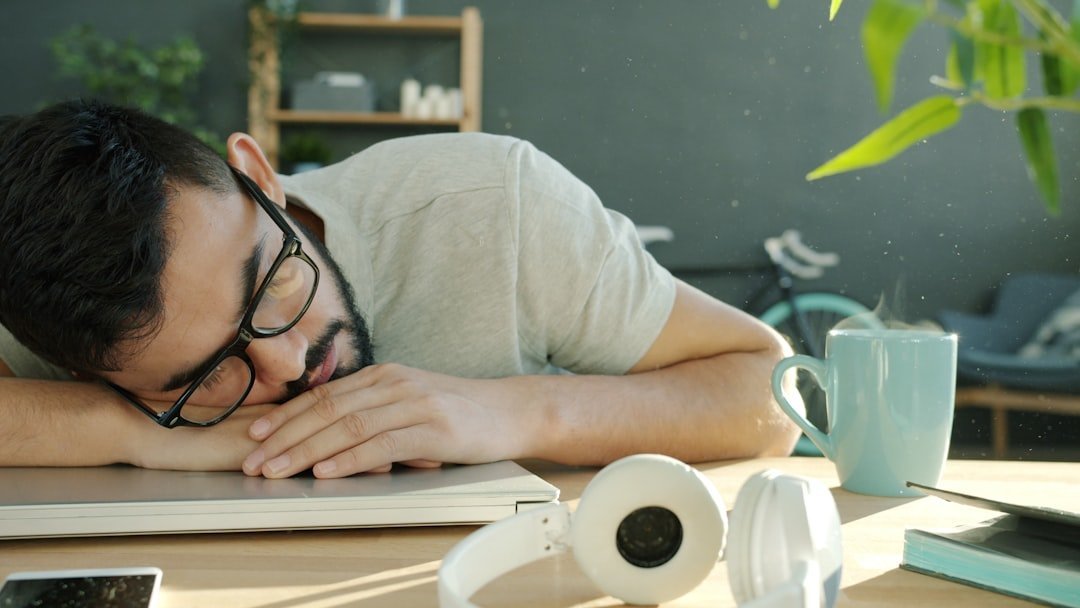
The Science of Napping: Why 20 Minutes of Sleep Can Change Your Entire Day
A colleague of mine, a senior journalist at a Delhi newsroom, used to disappear every afternoon around 1:30 PM. Not for chai. Not for a smoke break. He'd fold his jacket, put it over his eyes, and sleep upright in his chair for exactly 20 minutes. His editor mocked him for months. Then the editor noticed whose stories were sharper, whose energy lasted past 6 PM. He stopped mocking.
That colleague was, unknowingly, practicing the science of napping. And the research behind what he did is surprisingly solid.
Why Naps Are Not Laziness — They're Biology
Your body has a natural energy dip between 1 PM and 3 PM. This isn't because you ate too much dal-chawal at lunch (though that doesn't help). It's a genuine circadian rhythm dip — the same biological clock that governs your night sleep. The NIH has documented that this post-lunch slump is universal, cutting across age groups and cultures.
Short naps during this window restore alertness, improve memory consolidation, and lift your mood. The American Psychological Association links regular, brief napping to reduced cortisol levels — meaning less stress, not just better focus. AIIMS sleep researchers have also pointed to napping as a practical tool for managing chronic sleep debt in Indian urban populations, where average sleep has dropped well below the recommended 7 to 9 hours for adults.
One NIH-cited study found that napping improved memory recall in adults over 60 by measurable margins. This isn't folklore. It's physiology.
The Perfect Nap: Exactly How Long Should You Sleep?
Here's where most people get it wrong.
- 10 to 20 minutes: The "power nap" zone. You stay in light sleep stages, wake up refreshed, no grogginess. Ideal for a midday reset.
- 30 minutes: Risk zone. You may slide into deeper sleep. Waking here often causes sleep inertia — that heavy, cotton-brained feeling that can last 20 to 30 minutes.
- 90 minutes: A full sleep cycle. Includes REM sleep, which supports creativity and emotional processing. Best on weekends when you have buffer time after waking.
The Mayo Clinic specifically recommends keeping naps to 20 minutes for most working adults. Anything longer disrupts your nighttime sleep, especially if you nap past 3 PM.
The 20-minute rule isn't arbitrary. It maps directly onto sleep stage science — you get the restorative effects of Stage 2 sleep without tipping into slow-wave sleep, which is genuinely hard to exit cleanly.
The "Nappuccino" Method
One practical trick gaining quiet popularity: drink a small cup of coffee or green tea just before your nap. Caffeine takes roughly 20 to 25 minutes to enter your bloodstream. You wake up naturally as it kicks in. No alarm panic, no inertia. Some sleep researchers call this a "caffeine nap" — sounds contradictory, but the timing is the whole point.
When You Nap Matters as Much as How Long
Truth is — timing is everything here. The optimal window is 1 PM to 3 PM for most people, aligning with that natural circadian trough. Napping at 5 PM is a different story. It fragments your nighttime sleep and leaves you staring at the ceiling at midnight.
Consider your sleep chronotype. Early risers who sleep by 9:30 PM may find their ideal nap window closer to 12:30 PM. Night owls sleeping past midnight often hit their dip around 2:30 PM. Listen to that signal instead of fighting it with another cup of chai.
Workers in high-stress environments — hospital residents, IT professionals on tight deadlines, new parents — can use a timed afternoon nap as a structured recovery tool. Not a guilty pleasure. A tool.
Building the Right Nap Environment
You don't need a Google nap pod to do this well. You need:
- Darkness — a sleep mask works fine; even blocking overhead light helps.
- Quiet or consistent sound — a fan, soft white noise, or simple earplugs.
- A set alarm — at exactly 20 minutes. Non-negotiable.
- A cool room — body temperature drops slightly during sleep onset; a warm room fights this.
- Horizontal, if possible — even reclining at 40 degrees is significantly better than upright.
Here's the thing. Sleep onset takes 5 to 10 minutes on its own. If you're also fighting noise, harsh light, or an uncomfortable chair, your effective nap shrinks to almost nothing.
Frequently Asked Questions
Can napping improve my overall sleep quality at night? Yes, if kept short and timed correctly. A 20-minute nap before 3 PM does not hurt nighttime sleep for most people. Long or late naps do.
What's the best way to nap at work without feeling awkward? Find a quiet space — a car, a prayer room, even a break room with your back to the door. Keep it to 20 minutes, set a silent vibration alarm, and stay consistent.
Can napping too long actually harm me? Sleep inertia from a 45 to 60-minute nap can impair your performance for up to 30 minutes after waking. For high-stakes tasks, that's counterproductive.
How quickly does napping improve productivity? Alertness benefits are measurable within the same hour, according to research cited by the American Psychological Association. Consistency over days amplifies the effect.
Make It a Habit, Not a Rescue Mission
Start this week. Block 25 minutes on your calendar between 1 PM and 2 PM. Drink your chai before, not after. Set your alarm for 20 minutes, close your eyes, and let your brain do what it was built to do. One week of consistent afternoon naps will tell you more than any article can.