How to Overcome Insomnia Naturally: Evidence-Based Techniques That Actually Work
One in three adults experiences insomnia at some point. That statistic, cited repeatedly by the NIH and the American Academy of sleep Medicine, means you almost certainly know someone who lies awake at 2 a.m. cataloging tomorrow's problems. Maybe that person is you.
The good news: natural techniques are well-studied and genuinely effective for most people with short-term or mild chronic insomnia. No prescription required.
---
Transform Your Sleep Environment First
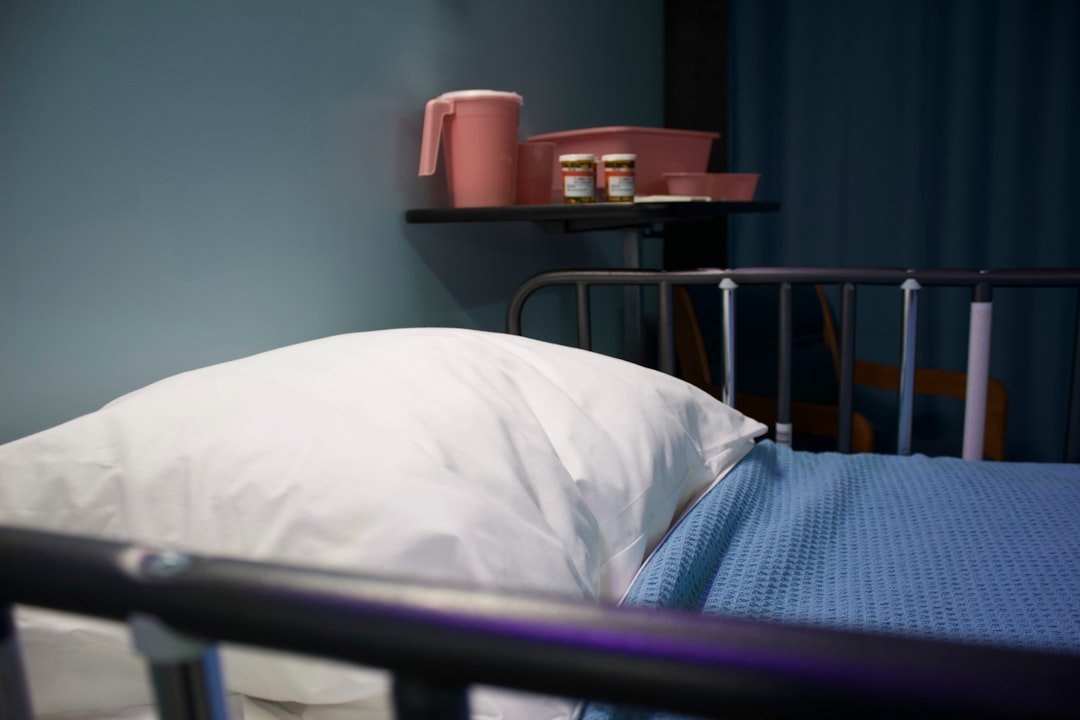
Your bedroom sends signals to your brain before you even close your eyes. The NIH recommends keeping room temperature between 60–67°F (15–19°C) because core body temperature must drop slightly to initiate sleep. A room that's too warm actively fights that process.
Blackout curtains are not a luxury. Light suppresses melatonin production, even at low intensities. Brands like Deconovo and NICETOWN offer affordable options that block 99% of incoming light. A white noise machine or a simple fan can mask street noise without the cognitive stimulation of music or podcasts.
Your mattress matters, but it doesn't need to be expensive. What it does need is to match your sleep position — side sleepers generally need more pressure relief at the shoulder, while back sleepers need firmer lumbar support. Getting this right reduces nighttime repositioning, which fragments sleep architecture.
Quick environment checklist:
- Room temperature: 60–67°F
- Light: near total darkness, or a sleep mask
- Noise: consistent low-level sound, not silence
- Mattress: matched to your dominant sleep position
---
Mindfulness and Relaxation: Quieting the Overthinking Brain
Racing thoughts are the single most reported cause of difficulty falling asleep. A 2015 study published in JAMA Internal Medicine found that mindfulness-based stress reduction improved sleep quality in older adults with moderate insomnia more effectively than sleep hygiene education alone.
Ten minutes is enough. Set a timer, sit comfortably, and focus on slow diaphragmatic breathing: inhale for 4 counts, hold for 4, exhale for 6. The extended exhale activates the parasympathetic nervous system, physically lowering heart rate.
Here's the thing — screens are the other major obstacle. Blue light from phones and laptops delays melatonin release by up to 90 minutes, according to research from Harvard's sleep division. Cutting screens an hour before bed is one of the simplest changes most people still won't make.
---
What You Eat Affects How You Sleep
Nutrition and sleep are more tightly linked than most people realize. magnesium, found in almonds (80 mg per ounce), pumpkin seeds, and spinach, supports the GABA receptors that calm neural activity. The Mayo Clinic notes that many adults consume less than the recommended 310–420 mg of magnesium daily, and deficiency correlates with poor sleep quality.
Kiwi fruit is surprisingly well-studied. A small trial from Taipei Medical University found that eating two kiwis one hour before bed for four weeks reduced time to fall asleep by 35%. Chamomile tea contains apigenin, a compound that binds to GABA receptors with mild sedative effects.
What to cut: caffeine after 2 p.m. (its half-life is 5–7 hours, meaning a 3 p.m. coffee is still 50% active at 9 p.m.), alcohol within three hours of bed, and high-glycemic snacks that spike blood sugar and trigger early-morning waking.
---
Frequently Asked Questions
How long does it take to see results with natural methods? Most people notice meaningful improvement within two to four weeks of consistent changes to sleep environment, routine, and diet.
Are there specific foods that help with sleep quality? Yes. Foods rich in magnesium (almonds, spinach), melatonin (tart cherries), and apigenin (chamomile) have the strongest evidence behind them.
Can lifestyle changes really fix insomnia? For short-term and mild chronic insomnia, yes. The American Academy of Sleep Medicine actually recommends Cognitive Behavioral Therapy for Insomnia (CBT-I) above medication as a first-line treatment, and CBT-I is entirely behavioral.
When should I see a doctor instead? If insomnia persists beyond three months or severely impairs daily functioning, a clinical evaluation is warranted to rule out sleep apnea or other underlying conditions.
---
A Consistent Schedule Ties Everything Together
Your circadian rhythm is a biological clock that runs on light and timing. Going to bed and waking at the same time every day — including weekends — anchors that clock. But here's where it gets weird: variability of even 90 minutes between weekdays and weekends, what researchers call "social jetlag," measurably degrades sleep quality over time.
Truth is — these techniques work best as a system, not a checklist. Start with one change tonight: set a fixed wake time for the next seven days and don't move it. Add the environment and nutrition adjustments over the following week. Small, layered changes compound faster than you'd expect.