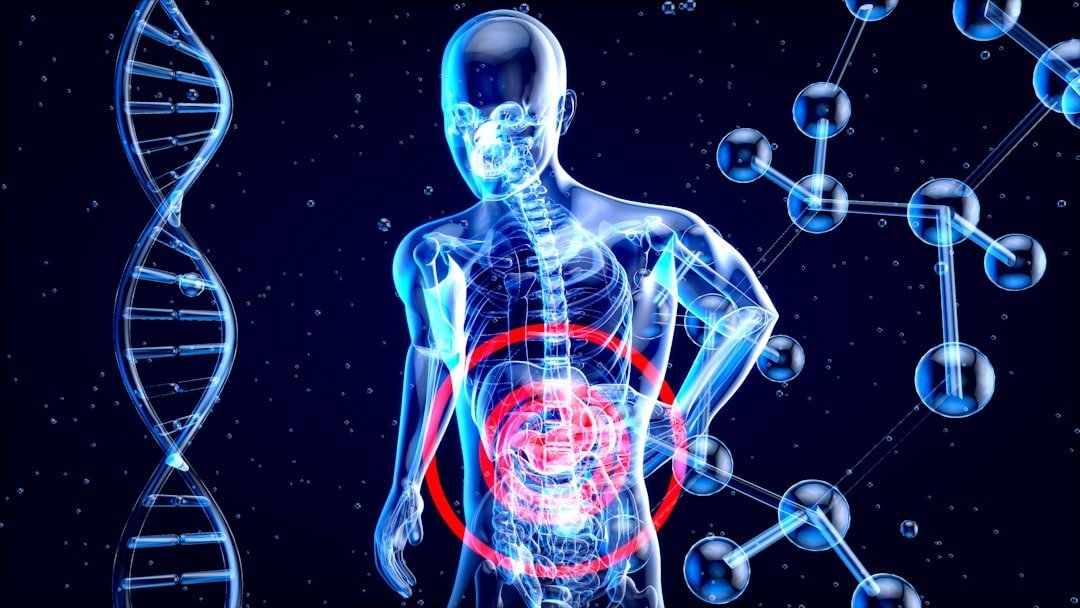
Your Gut Has 100 Million Neurons. Here's Why That Changes Everything About Stress.
Priya woke up on a Tuesday morning with a familiar tightness in her stomach. Big presentation at 9 a.m. She hadn't eaten badly. Hadn't drunk the night before. But her gut felt like it was hosting a small, furious thunderstorm. Her gastroenterologist eventually told her something that stopped her cold: her stress was talking directly to her intestines, and her intestines were talking back.
That two-way conversation is the stress-gut connection. And once you understand it, managing both your anxiety and your digestion starts to make a lot more sense.
---
The Surprising Link Between Stress and Gut Health
Your gut contains roughly 100 million neurons, forming what scientists call the enteric nervous system. Harvard Health describes it as a "second brain" — one capable of operating independently but also in constant dialogue with the brain upstairs.
That dialogue runs primarily through the vagus nerve, a thick cable of nerve fibers connecting your brain stem to your abdomen. When stress activates your fight-or-flight response, your body pulls blood and energy away from digestion. Stomach acid production shifts. Gut motility slows or spikes unpredictably. For people with high anxiety, that translates to bloating, constipation, cramping, or sudden urgency.
This is the gut-brain axis in action. Stress doesn't just affect your mood — it rewires how your digestive system functions, sometimes for hours, sometimes chronically.
---
How Stress Reshapes Your Gut Microbiome
Your gut hosts roughly 38 trillion bacteria. Not all of them are on your side when stress hits.
Research published through the NIH shows that chronic psychological stress reduces microbial diversity in the gut. Diversity matters enormously. A rich, varied microbiome produces short-chain fatty acids, regulates immune responses, and synthesizes neurotransmitters — including about 90% of the body's serotonin. When diversity drops, that production falters.
Cleveland Clinic researchers have linked low microbial diversity to elevated inflammation markers, which in turn worsens anxiety and depression. Here's the thing — it becomes a loop. Stress depletes your microbiome, your depleted microbiome makes you more reactive to stress, and the cycle accelerates.
This is why the stress-gut connection isn't a metaphor. It's a biological feedback system with measurable consequences.
---
What You Eat Can Break the Cycle
Nutrition is one of the most direct levers you have.
Fermented foods like plain yogurt, kefir, kimchi, and miso introduce live bacterial cultures that support gut diversity. Omega-3 fatty acids, found in sardines, mackerel, and walnuts, reduce the inflammatory signaling that stress amplifies. Fiber from lentils, oats, and leafy greens feeds beneficial bacteria and keeps gut motility steady.
Hydration is consistently underestimated. The Mayo Clinic recommends around 2.7 liters of total daily water intake for women and 3.7 liters for men, including water from food. Dehydration slows gut transit and worsens constipation — especially under stress.
Here's a quick comparison of how different food choices affect the stress-gut connection:
| Food Type | Effect on Gut | Effect on Stress Response |
|---|---|---|
| Fermented foods (kefir, kimchi) | Increases microbial diversity | May lower cortisol over time |
| Processed/high-sugar foods | Reduces beneficial bacteria | Amplifies inflammation |
| Omega-3 rich fish (sardines) | Reduces gut inflammation | Supports mood regulation |
| High-fiber vegetables and legumes | Feeds beneficial bacteria | Stabilizes blood sugar |
Small, consistent changes compound. Swapping one processed snack for a handful of walnuts and a cup of kefir daily is a genuinely useful start.
---
Practical Strategies That Actually Work
Mindfulness for digestion isn't a wellness trend. It's physiology.
Deep, slow breathing activates the parasympathetic nervous system — the opposite of fight-or-flight. Even 5 minutes of diaphragmatic breathing before meals can measurably improve gastric motility, according to research reviewed by the NIH. You don't need an app. Inhale for 4 counts, hold for 2, exhale for 6. Repeat eight times.
But here's where it gets weird — the specific probiotic strain you choose actually matters. Lactobacillus rhamnosus and Bifidobacterium longum have the strongest research backing for anxiety-related digestion issues. Talk to your doctor before starting; not every strain suits every gut.
Movement helps too. A 20-minute walk after dinner improves gut transit time and lowers evening cortisol.
---
Frequently Asked Questions
How does stress affect digestion? Stress triggers the fight-or-flight response, diverting blood away from the digestive tract. This can slow digestion, increase gut permeability, and cause bloating, cramping, or diarrhea.
What are common symptoms of stress-related gut problems? Bloating, alternating constipation and diarrhea, stomach cramps, nausea, and a general sense of gut discomfort are all common presentations.
Can probiotics help with stress-related gut problems? Yes. Certain probiotic strains appear to reduce cortisol levels and improve mood by supporting the gut-brain axis. Results vary by individual and strain.
What foods support gut-brain health? Prioritize fermented foods, oily fish, high-fiber vegetables, and legumes. Limit ultra-processed foods and refined sugar, which fuel gut inflammation.
---
Truth is — the fix doesn't have to be complicated. Start this week with one specific change: add a daily serving of plain kefir, commit to 5 minutes of deep breathing before your largest meal, and cut one ultra-processed snack. Three small moves. One stressed gut that finally gets some relief.