The Nutrients Your Immune System Quietly Begs For After 60
My neighbor Radha, 67, kept getting chest colds every winter. Three in a row. Her doctor ran a panel and found she was low in vitamin D and zinc. She made a few targeted changes to her diet and added one supplement. The following winter? Nothing. Not even a sniffle.
That's not magic. That's biology.
As you get older, your immune system genuinely slows down. The NIH calls this "immunosenescence" — a gradual decline in immune function that starts around your 50s. White blood cells respond more sluggishly. Inflammation becomes harder to regulate. And the nutrients that keep this whole system running? You absorb them less efficiently than you did at 35.
Getting this right isn't about chasing trends. It's about giving your body the raw materials it actually needs.
---
Vitamin C: Still One of the Best Tools You Have
Your body can't make vitamin C. Every single milligram has to come from what you eat or take. And older adults are frequently running low — partly because absorption drops with age, partly because many seniors eat less overall.
vitamin C supports the production of white blood cells, specifically lymphocytes and phagocytes. According to the Mayo Clinic, it also works as an antioxidant, protecting those cells from the very free radicals they're fighting off. Double duty.
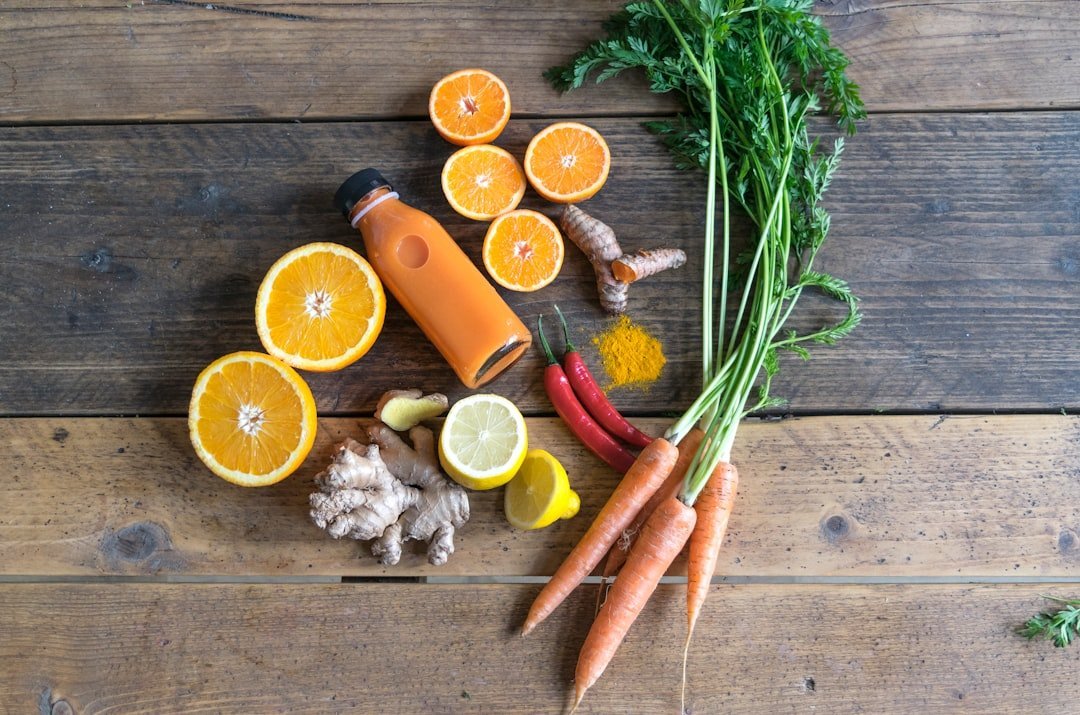
One medium orange gives you about 70 mg. The recommended daily intake for adults over 50 is 75–90 mg, but many researchers suggest 200 mg daily is closer to what actually saturates immune tissue. Half a cup of red bell pepper clocks in at 95 mg and costs less than the orange. Kiwi, guava, broccoli — all excellent sources.
If your diet is inconsistent, a basic 500 mg supplement like Nature Made vitamin C is a sensible backup.
---
Zinc: The Quiet One Doing Heavy Lifting
Zinc doesn't get the press vitamin C does. It should.
This mineral is directly involved in the development and activation of T-cells — the immune cells that target infected cells. The World Health Organization recognizes zinc deficiency as one of the top contributors to immune dysfunction in older populations. Even mild deficiency can make you noticeably more susceptible to infections.
Older adults absorb zinc less efficiently, and many don't eat enough zinc-rich foods. Oysters are the richest source — one serving can give you 32 mg. More realistic everyday options include beef, pumpkin seeds, chickpeas, and cashews. The recommended daily intake for adults over 50 is 8–11 mg, which most people hit easily with a mixed diet.
If you're vegetarian or eat very little meat, a 15 mg zinc supplement is worth discussing with your doctor.
---
Vitamin D: The One Most Seniors Are Actually Missing
Here's the thing — this is the big one. Research published through NIH found that over 40% of American adults are vitamin D deficient, and the numbers are significantly worse among adults over 65. Darker skin, limited sun exposure, and reduced kidney efficiency all compound the problem.
Vitamin D doesn't just support bone density. It modulates your immune response, helping your body distinguish between real threats and its own tissue. Low levels are tied to higher rates of respiratory infections, including flu and pneumonia.
Getting 15–20 minutes of midday sun on your arms three to four times weekly helps. Salmon, sardines, and fortified milk add to that. But supplementation is often necessary — most physicians recommend 1,000–2,000 IU daily for older adults, though some individuals need more. Get your levels tested first.
---
Probiotics: Your Gut Is Running 70% of Your Immune System
Roughly 70% of your immune tissue lives in your gut lining. When your gut microbiome is diverse and balanced, immune signaling works more smoothly. When it isn't, inflammation creeps up and response time slows.
Fermented foods are your first line here. Daily servings of plain yogurt with live cultures, kefir, or even store-bought kimchi — look for refrigerated, not shelf-stable — can meaningfully shift your gut flora. Studies referenced by NIH show probiotic consumption in older adults is linked to reduced duration of upper respiratory infections.
For supplements, Lactobacillus rhamnosus and Bifidobacterium longum are the strains with the most evidence behind them.
---
Frequently Asked Questions
What vitamins boost the immune system for seniors? Vitamin C, D, and zinc are the most evidence-backed options for seniors focused on immunity.
Can supplements replace a healthy diet? No. Supplements fill gaps — they don't substitute for whole foods and the compounds that come with them.
How do I raise vitamin D naturally? Midday sun exposure, fatty fish two to three times a week, and fortified dairy are your best starting points.
What do probiotics actually do for immunity? They support the gut microbiome, which directly regulates a large portion of your immune activity.
---
Truth is — none of this is exotic or expensive. Most of it is sitting in a well-stocked kitchen. Start with a blood panel to check your vitamin D and zinc levels, then build from there. Small, specific changes beat vague wellness goals every time.