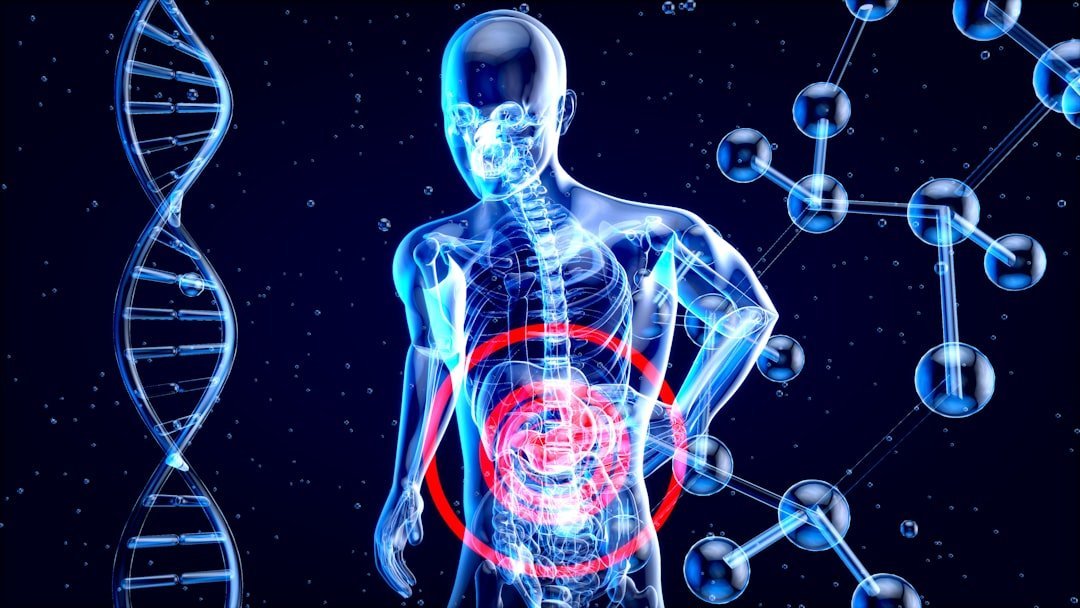
Imagine Sarah. Waking up to that familiar ache in her lower back, a dull throb that had been her unwelcome companion for five long years. Every morning, a heaviness settled in her chest, almost as bad as the physical pain. She'd tried medications. Therapies. But the constant discomfort never really left. Then, her doctor suggested something radical, yet incredibly simple: change what she ate. For millions, just like Sarah, easing chronic pain isn't only about pills; it's hugely influenced by the food on our plates. A powerful ally for healing, often ignored.
Eat Your Way to Ease: How Food Can Transform Chronic Pain
For too long, thinking about diet as a main way to manage chronic pain felt like an afterthought. Crazy, right? But more and more science, backed by places like the National Institutes of Health (NIH), shows a clear link between what we eat and how our body reacts with inflammation. That's the quiet force behind so much chronic discomfort. Understanding this link? That’s your first step to feeling better every day. One good bite at a time.
Beyond the Plate: Why Your Gut is a Silent Partner in Pain
Your gut is so much more than just a tube for digestion. It's a buzzing city of trillions of bacteria, this whole microbiome thing, and it seriously impacts your overall health—even how you feel pain. When this delicate system goes haywire, something often called "leaky gut" can happen. That lets bad stuff into your bloodstream, which then kicks off inflammation all over your body. This constant, low-level inflammation can really crank up your pain sensitivity. Makes conditions like fibromyalgia way worse.
Sarah, for instance, often had irritable bowel syndrome along with her chronic back pain. Her doctor, who understood the gut-pain connection, told her to add more fermented foods to her diet. She started with a spoonful of probiotic-rich kefir in her morning smoothie. A forkful of vibrant kimchi with lunch. Three months later? Not only did her digestion calm down, but she actually noticed her back pain wasn’t as sharp. Foods with prebiotics—like garlic, onions, and asparagus—also feed those good gut bacteria. That helps create a healthier inside environment, which can bring down inflammation all over.
Fighting Fire with Food: Anti-Inflammatory Powerhouses You Need
Some foods? They're like natural firefighters for your body. They calm your internal alarm system instead of setting it off. To get those anti-inflammatory perks, you just need to pick smart ingredients. Take Omega-3 fatty acids. They’re super common in fatty fish—think wild-caught salmon and sardines—plus flaxseeds and chia seeds. They actually dial down inflammation. The Arthritis Foundation often talks about how good these foods are for joints.
A whole rainbow of colorful fruits and veggies, especially berries, dark leafy greens like spinach and kale, and those bright bell peppers, are full of antioxidants. These compounds fight something called oxidative stress, which basically fuels inflammation and pain. And spices? They've been used in medicine forever. Turmeric (with its active part, curcumin), ginger, and garlic have all been studied for their natural pain-relief powers. Bottom line: build your meals around real, whole foods.
- Anti-Inflammatory Superfoods:
- Fatty Fish: Salmon, mackerel, sardines (hello, Omega-3s!)
- Berries: Blueberries, strawberries, raspberries (packed with antioxidants)
- Leafy Greens: Spinach, kale, collards (vitamins, minerals, antioxidants)
- Spices: Turmeric, ginger, garlic (natural inflammation fighters)
- Nuts & Seeds: Walnuts, flaxseeds, chia seeds (healthy fats, fiber)
- Olive Oil: Extra virgin (good fats, polyphenols)
The Sweet & Salty Trap: Foods That Stoke Your Body’s Alarm
So, some foods calm things down. Others? They actively make things worse. The "sweet and salty trap" is basically all the hidden sugars, bad fats, and processed junk in our everyday diet. Sugary drinks, lots of breakfast cereals, even those granola bars that look healthy. They often have tons of added sugar. And the Mayo Clinic says that's a big reason for widespread inflammation. Trans fats, often in baked goods and fast food, are notorious inflammation boosters.
Mark, 48, suffered from chronic migraines. He totally blew off diet as a factor at first. After keeping a detailed food diary, though, he realized his daily afternoon soda and that innocent-looking processed snack were quietly messing him up. He cut them out. Within two months, his migraines dropped by a whopping 50%. Truth is—figuring out your trigger foods often means really paying attention. Maybe even trying an elimination diet with some guidance. Processed meats, refined carbs (white bread, pasta), and certain food additives can also act like inflammatory agents. They put your body under constant, low-grade stress.
FAQs About Diet and Chronic Pain
What foods should I avoid with chronic pain?
Try to eat less processed food, added sugars, unhealthy trans fats, and too much saturated fat (think deep-fried stuff and some red meats). These are often inflammation triggers.
Can diet alone cure chronic pain?
While changing what you eat can be a huge help in managing and easing chronic pain symptoms, it's rarely a standalone cure. It just works best as a really important piece of your whole treatment plan, alongside things like physical therapy, medication, and stress management.
How long does it take for diet changes to affect chronic pain?
Everyone's different, but many people start to feel better—less pain, more overall well-being—within a few weeks to a few months of sticking with dietary changes. You gotta be patient.
Is intermittent fasting good for chronic pain?
Some studies hint that intermittent fasting might help reduce inflammation and pain. It seems to support cellular repair, which is cool. But here’s the thing: always chat with a doctor before trying a regimen like that, especially if you already have health issues.
Changing how you eat really offers a clear path to less chronic pain. It's not about starving yourself. It's about making smart choices that help your body heal. And feel alive. Start small. Add more colorful veggies. Swap white grains for whole ones. Just notice how your body responds. By making thoughtful food choices, you're investing in a future with less pain and more vibrant living. Your plate? It's got more power than you think.