At-Home Workouts for Mental Health: Move Your Body, Lift Your Mind
Maya hadn't left her apartment in three days. The laundry sat in a pile by the door. Her coffee had gone cold twice that morning. She wasn't sad, exactly. Just heavy. On impulse, she cleared her living room rug and spent 20 minutes doing squats, jumping jacks, and a YouTube yoga flow. By the time she sat back down, the heaviness had shifted. Not gone — but lighter. That's the thing nobody tells you about at-home workouts for mental health: the bar is low, and the payoff is real.
The Surprising Link Between Exercise and Your Mood
Your brain is a chemistry lab. When you move your body, it releases endorphins — neurotransmitters that dampen pain signals and trigger a quiet sense of well-being. The Mayo Clinic notes that physical activity also increases serotonin and norepinephrine, two chemicals directly tied to mood regulation.
You don't need a long session to feel it. A 10-minute brisk walk around your home can shift your mental state within minutes. The American Psychological Association has highlighted research showing that regular exercise reduces symptoms of anxiety and depression at rates comparable to some forms of short-term psychotherapy. That's not a small claim.
Consistency matters more than intensity. Three 10-minute sessions spread across the day can offer similar mood benefits as one 30-minute block — which means even your busiest days have room for this.
Quick and Effective At-Home Workouts to Try Today
No gym membership. No equipment. No commute. Here's where at-home workouts for mental health get genuinely useful.
Some of the most effective options:
- Bodyweight circuits: Squats, push-ups, lunges, and planks build strength and release tension. A 15-minute circuit is enough to trigger a measurable endorphin response.
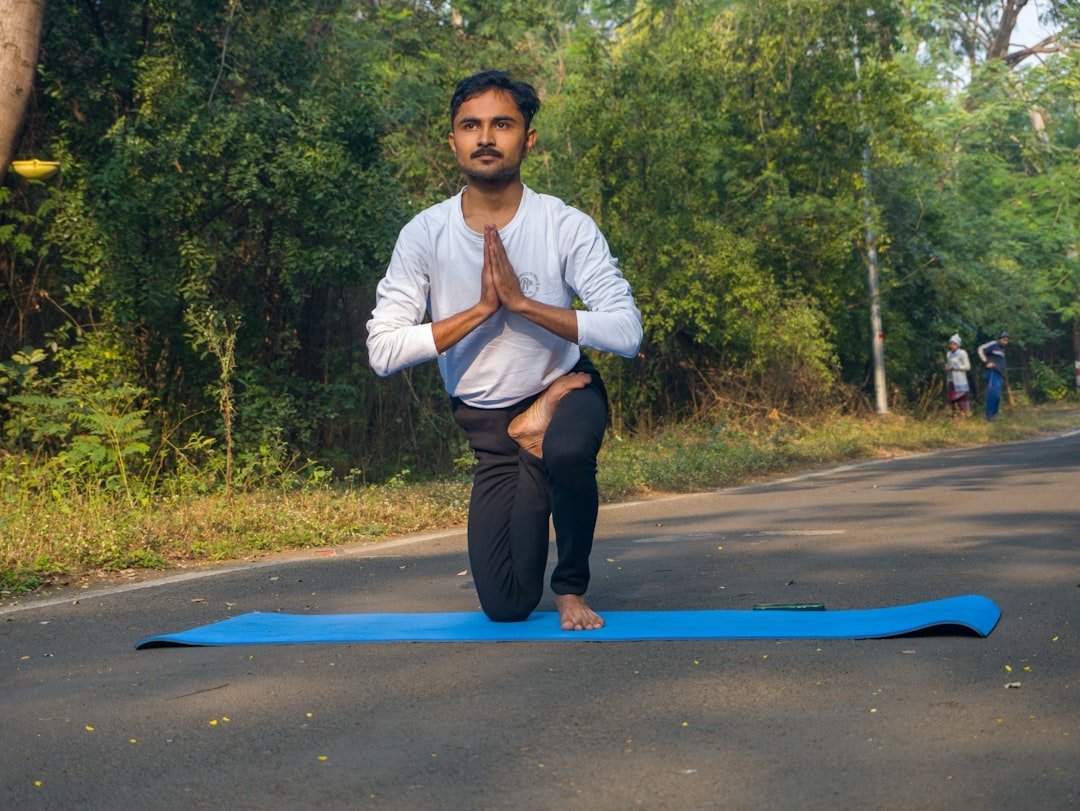
- yoga and stretching: Even a gentle 20-minute flow can lower cortisol levels. Apps like Down Dog or free YouTube channels like Yoga with Adriene make it easy to start.
- Dance: Turn on a playlist and move for 15 minutes. It sounds too simple to work. It isn't. Dance engages your motor cortex, boosts dopamine, and forces you to be present in your body instead of your thoughts.
- Walking in place or stair repetitions: Not glamorous. Highly effective. Especially on days when motivation is near zero.
The best workout is the one you'll actually do. Start there.
Creating a Routine That Works for You
Build the Habit Before You Build the Program
Structure kills decision fatigue. If you already know Tuesday mornings mean a 20-minute yoga session, you skip the internal negotiation entirely. NIH research on habit formation suggests that attaching new behaviors to existing cues — like morning coffee or a lunch break — dramatically improves follow-through.
Here's a simple weekly framework to consider:
| Day | Workout Type | Duration |
|---|---|---|
| Monday | Yoga or stretching | 20 min |
| Wednesday | Bodyweight strength | 25 min |
| Friday | Dance or cardio | 20 min |
| Sunday | Light walk or rest | Your call |
Three sessions per week is a sustainable starting point. The American Psychological Association recommends at least 150 minutes of moderate exercise weekly for meaningful mental health benefits — that's 30 minutes, five days. But starting at three is better than not starting at all.
The Science Behind Movement and Mental Well-Being
Research published through NIH databases consistently shows that adults who exercise regularly report lower perceived stress and higher overall life satisfaction. One mechanism is neurogenesis — exercise literally promotes the growth of new neurons in the hippocampus, a brain region central to memory and emotional regulation.
But here's where it gets interesting. Mindfulness amplifies all of this. Paying attention to your breath during a squat set, noticing the burn in your legs during a lunge, or following the rhythm of music during a dance session — these small acts of presence are moving meditation. They pull your nervous system out of rumination and back into your body.
Exercise also reduces cortisol, the primary stress hormone. Chronically elevated cortisol is linked to poor sleep, weight gain, and worsened anxiety. Truth is — consistent at-home workouts are one of the most direct ways to regulate it without medication.
Frequently Asked Questions
What type of exercise is best for mental health? Cardio, strength training, and yoga have all shown benefits. Cardio tends to produce the fastest mood lift; yoga excels at reducing anxiety over time.
How often should I exercise to improve my mood? Aim for 150 minutes of moderate activity weekly. Even three sessions of 20 minutes each makes a difference.
Can short workouts really help with stress? Yes. Research shows even 10-minute bouts of movement lower stress markers and improve focus.
Do I need special equipment? No. Your body weight, a clear floor, and 20 minutes are enough.
---
Pick one workout from the list above and do it today. Not tomorrow. Not after the laundry. Move for 15 minutes right now and notice what shifts. That one small action is where better mental health begins.