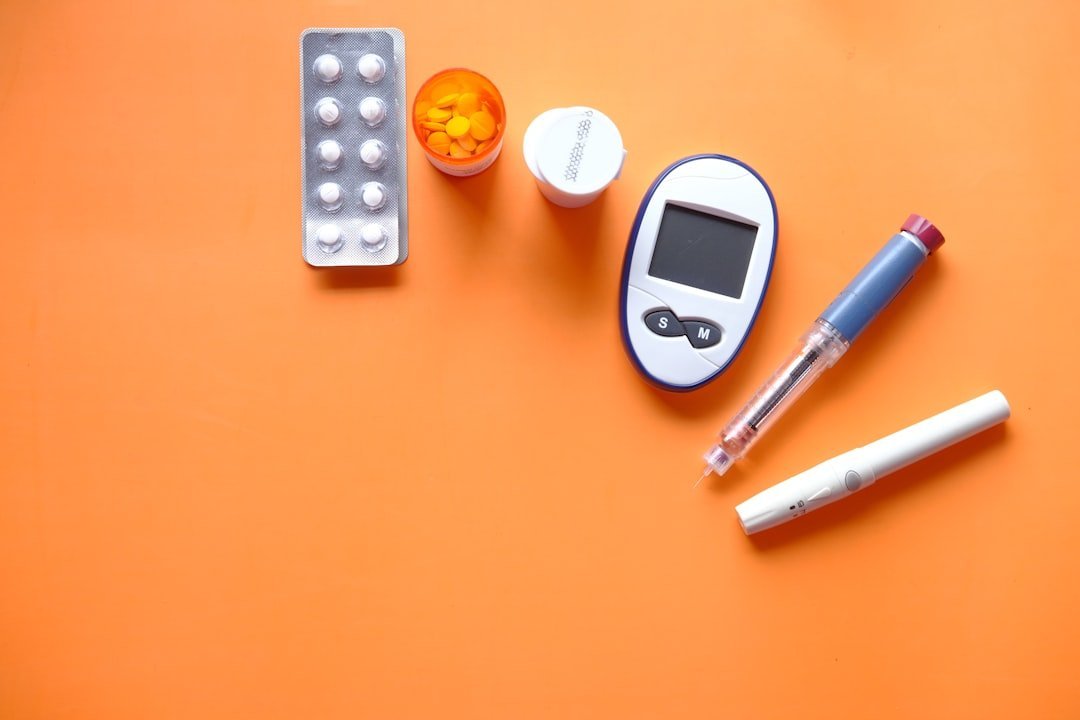
77 Million Reasons to Rethink How India Manages Diabetes
Over 77 million indians are living with diabetes right now, making India the world's second-largest diabetic population. And yet a surprising number of people still believe managing this condition means a lifetime of sacrifice, bland food, and endless worry. That belief is outdated. The science, the tradition, and the tools available in 2024 together offer genuinely practical strategies — dal-chawal included.
---
Nutrition for Diabetes: It's Not Just About Cutting Carbs
Most people think diabetes management starts and ends with avoiding mithai and white rice. It doesn't.
What actually matters is the glycemic index (GI) of your meals and the balance of macronutrients across the day. Low-GI foods — rajma, chana, moong dal, oats, and even parboiled rice — release glucose slowly, preventing the sharp spikes that damage blood vessels over time. A study referenced by the Mayo Clinic showed patients who shifted to whole-food, low-GI diets reported significantly better blood sugar control within 12 weeks.
Smart swaps that actually work in Indian kitchens
- Replace maida rotis with jowar or ragi rotis — both have a GI under 70
- Add a tablespoon of ghee to your dal; fat slows glucose absorption
- Use methi (fenugreek) seeds soaked overnight — ICMR has acknowledged their role in improving insulin sensitivity
- Snack on a small fistful of roasted chana instead of biscuits
Meal planning doesn't have to mean carrying a spreadsheet to every wedding. It means building a plate where roughly half is vegetables (sabzi, salad), a quarter is protein (dal, paneer, egg), and a quarter is complex carbohydrate. That ratio works at a dhaba as much as it does at home.
---
Exercise and Diabetes: The 150-Minute Rule Indians Ignore
The American Diabetes Association recommends at least 150 minutes of moderate aerobic activity per week. That's 30 minutes on five days. Most urban Indians with desk jobs clock far less.
Here's the thing — combining aerobic exercise (brisk walking, cycling, swimming) with resistance training (bodyweight squats, light dumbbells) improves insulin sensitivity more than either alone. HIIT — short bursts of intense movement followed by rest — has shown particular promise. Even 20-minute HIIT sessions three times a week can produce measurable drops in fasting glucose.
Raju Menon, a 52-year-old schoolteacher from Kochi, started a morning walk-and-yoga routine after his HbA1c crossed 8.5%. Six months later it had dropped to 7.1% — without changing his medication. His doctor at a government hospital attributed it largely to consistent movement and stress reduction combined.
No gym required. A 30-minute walk after dinner, which Ayurveda has long recommended as "Shatapawali," does real metabolic work.
---
Stress, Sleep, and the Cortisol-Sugar Connection
Chronic stress raises cortisol. Raised cortisol raises blood glucose. This isn't vague wellness talk — it's physiology, and NIH-funded research has demonstrated that mindfulness-based interventions improve HbA1c outcomes in Type 2 diabetics.
Yoga is one of India's most practical tools here. Practices like pranayama and Yoga Nidra specifically lower cortisol and activate the parasympathetic nervous system. AIIMS New Delhi has included yoga as a complementary therapy in its diabetes management protocols.
Sleep matters too — and here's where it gets weird. Less than 6 hours a night consistently raises insulin resistance. Set a consistent bedtime. Reduce screen time after 9 PM. These aren't luxury habits. They are diabetes management techniques with measurable effect.
---
Technology and Diabetes Management
| Tool | What It Does | Best For |
|---|---|---|
| Continuous Glucose Monitor (CGM) | Real-time blood sugar data | People on insulin, frequent spikers |
| Apps (BeatO, mySugr) | Tracks food, meds, glucose logs | Daily accountability |
| Telehealth platforms | Remote doctor consultations | Those in Tier 2/3 cities |
| Smart glucometers | Bluetooth-synced readings | Sharing data with family doctors |
CGMs like the FreeStyle Libre have changed how people with diabetes make decisions — you can see in real time how your sabzi-rice lunch compares to a roti-dal meal. Apps like BeatO, built specifically for the Indian market, let you log regional foods and flag dangerous trends before they become crises.
Truth is — the most innovative diabetes strategy you have is already in your pocket. Use it.
---
FAQs
What foods should diabetics avoid? Limit maida, white sugar, fruit juices, packaged namkeens, and anything with hidden trans fats. High-GI foods cause rapid glucose spikes that are hard to recover from.
How often should a diabetic exercise? At minimum, 150 minutes of moderate exercise weekly, spread across five days. Add two days of light resistance training for best results.
Can stress affect blood sugar levels? Absolutely. Cortisol released during stress directly raises blood glucose. Managing stress is as important as managing diet.
What are good snacks for diabetics? Roasted chana, a small handful of mixed nuts, paneer cubes, cucumber with hummus, or plain Greek yogurt. High protein and fiber, low sugar.
---
Start with one change this week. Swap one refined-flour item for a whole-grain alternative, add a 20-minute walk after dinner, and download a glucose-tracking app. Small, consistent actions compound into real HbA1c improvements. Your diabetes does not have to manage you.